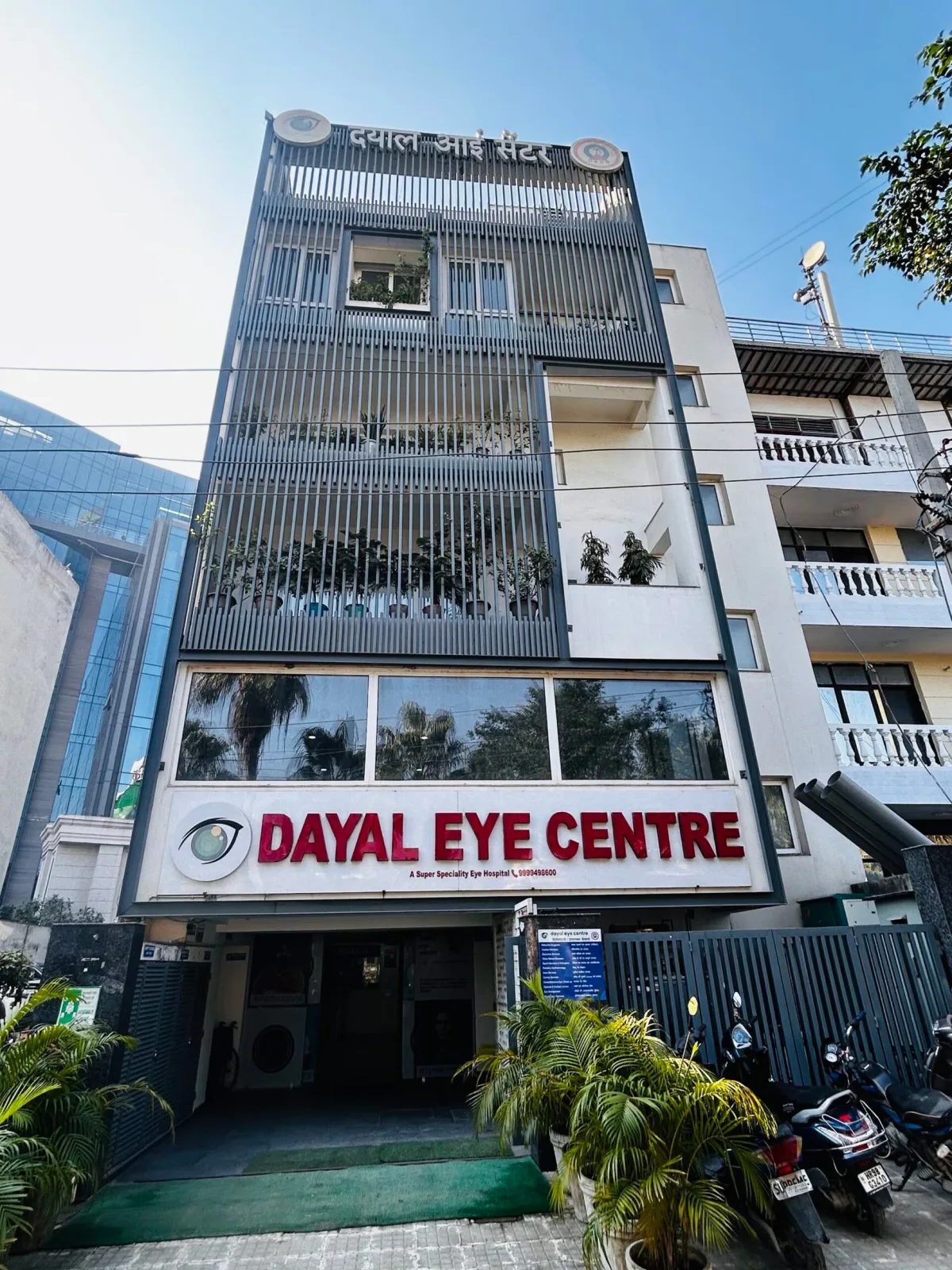
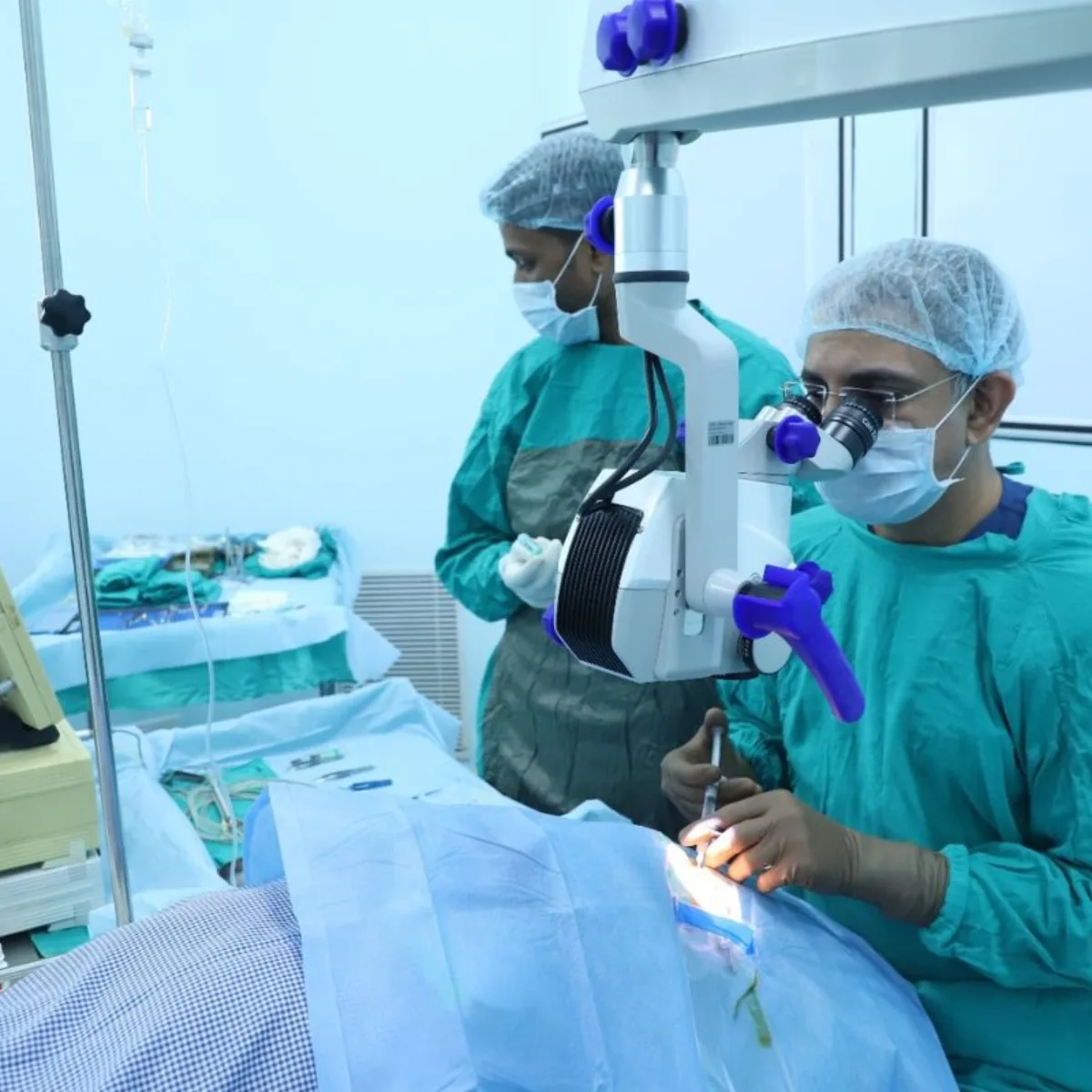
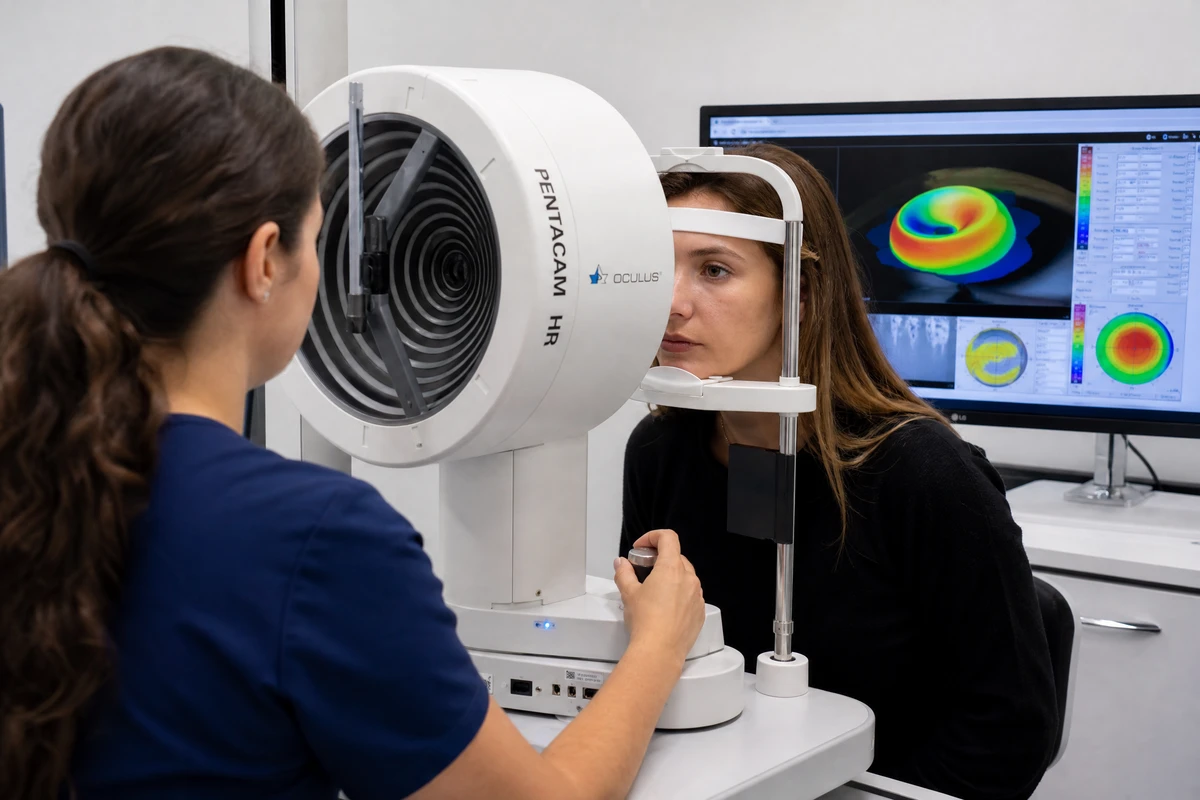
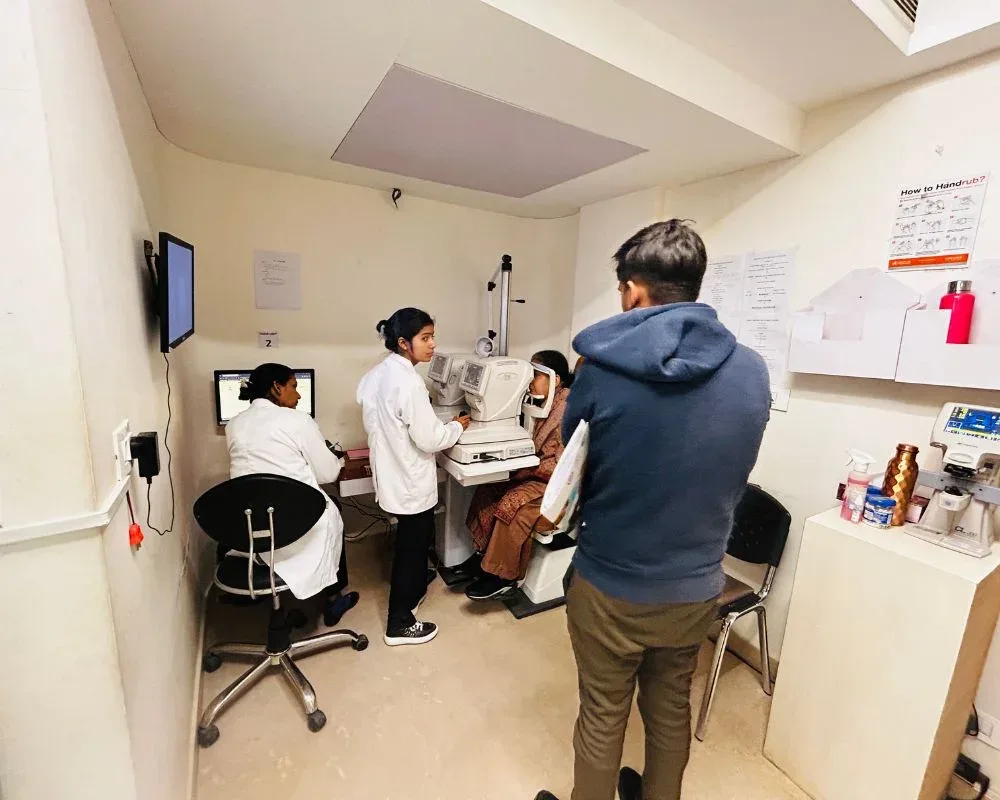
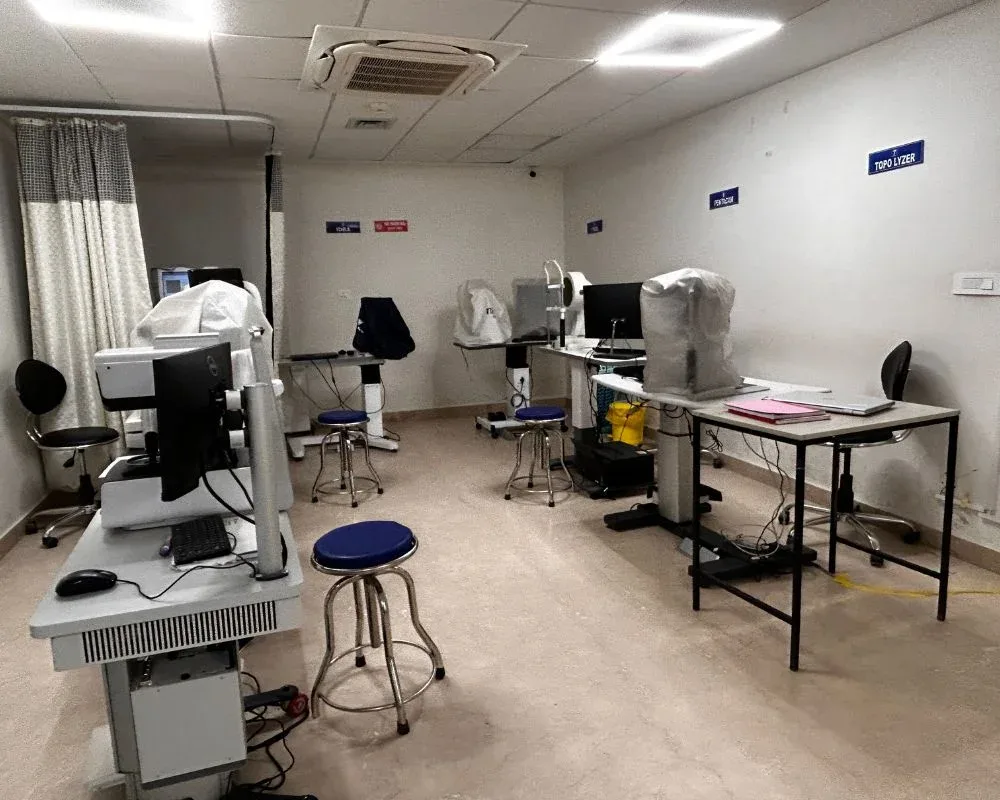
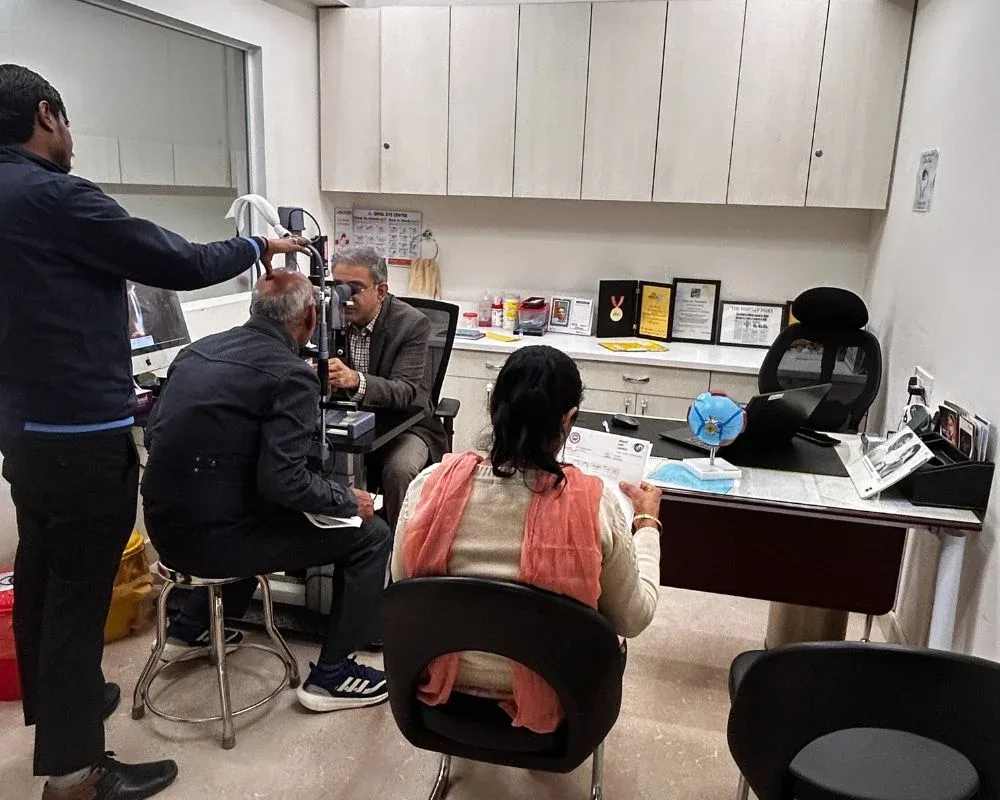
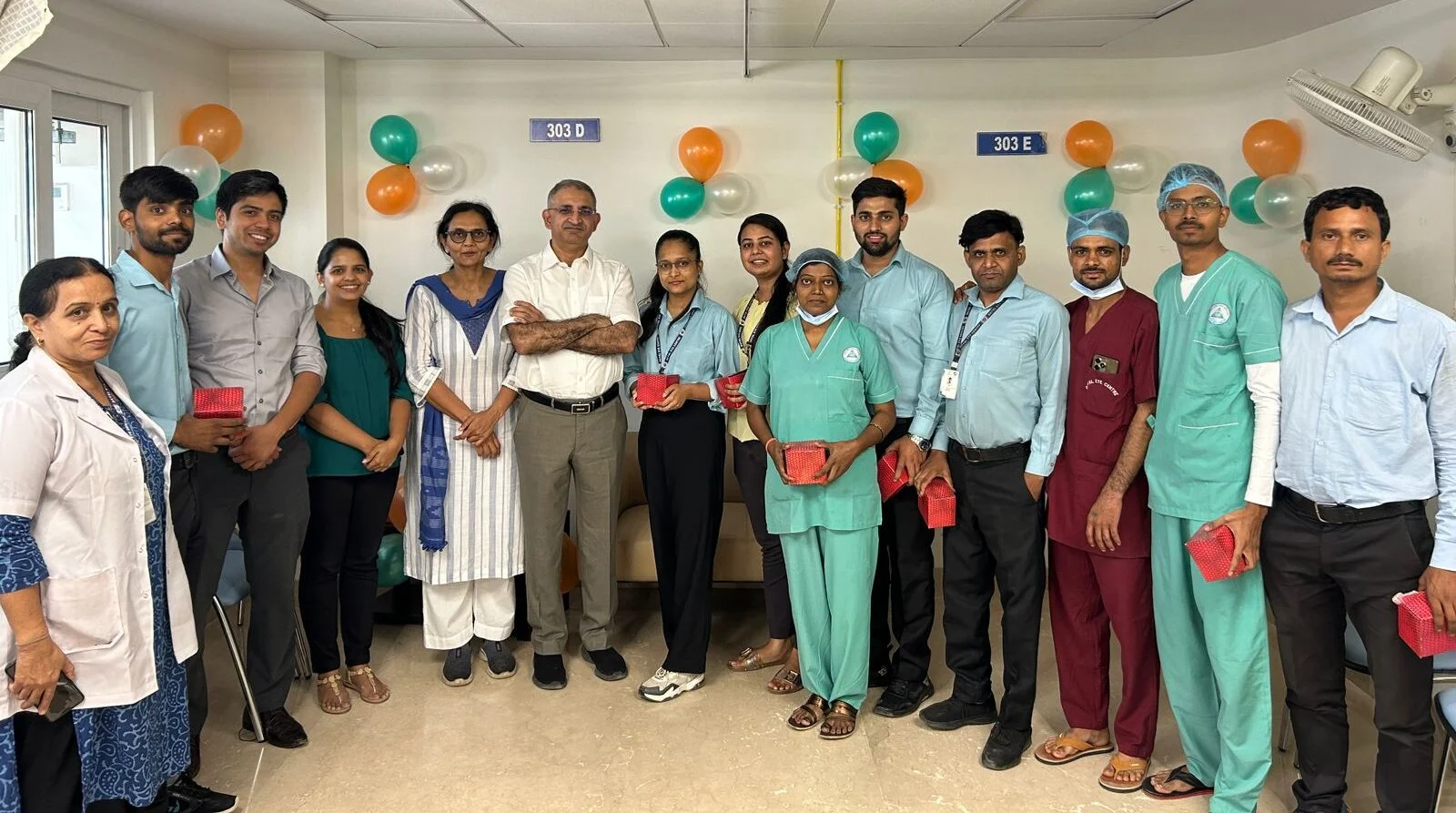
Dayal Eye Centre is a single, NABH-accredited eye hospital in Gurugram — not a chain, and not a separate Tauru branch. Many of our patients make the short journey because they want their eyes treated by a genuinely senior specialist, on the same technology used at leading centres, at a fair and transparent price.

Signature procedures backed by fellowship-trained surgeons and FDA-approved laser platforms.
Every sub-specialty is led by a fellowship-trained surgeon — whatever brings you in from Tauru, you're seen by someone who treats it every day.
Not sure which treatment you need? Schedule a comprehensive eye check-up and our specialists will guide you.
If any of these sounds familiar, a consultation will tell you exactly where you stand.
Diabetic retinopathy and glaucoma are worth booking for even without symptoms — both advance quietly and are far easier to manage when found early.
FDA-approved and CE-certified surgical and diagnostic systems, in a NABH-accredited setting with three modular operation theatres.
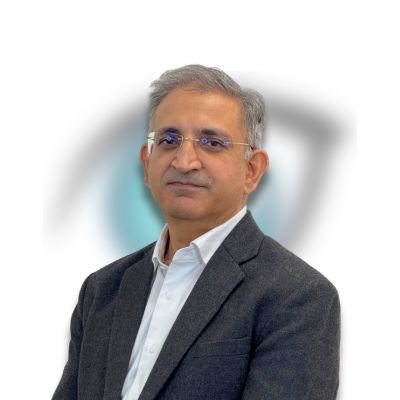
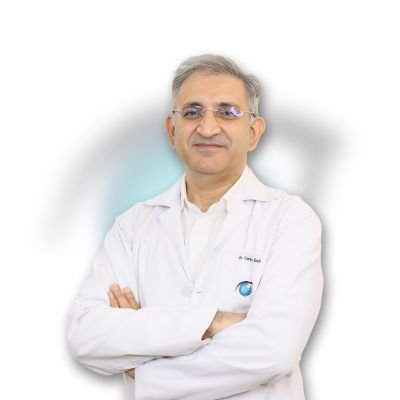
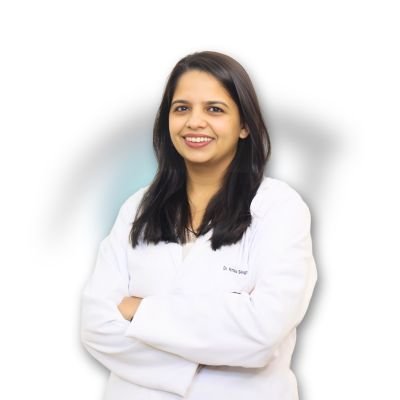
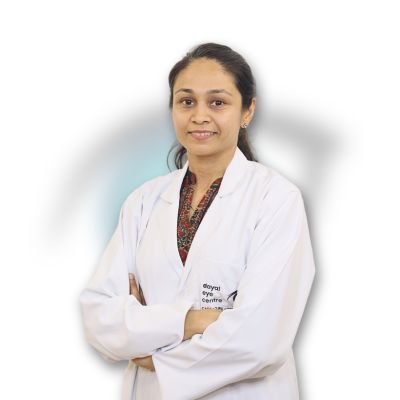
Five senior sub-specialists, trained at AIIMS New Delhi, Aravind Eye Hospital and internationally.
Inside your eye there is a lens, normally clear like clean glass. With age it slowly turns cloudy, so light cannot pass through and vision goes dim. That cloudy lens is a cataract. No drop and no medicine clears it. Cataract surgery takes the lens out and puts a clear artificial one, called an IOL, in its place, where it stays for life.
Published research consistently reports cataract as the largest cause of avoidable blindness in India. We mention that for an encouraging reason: it is the one major cause of poor sight that surgery can usually do something about.
Waiting does not close the door. People come to us after two, three, five years of poor vision — the season was busy, money was short, nobody was free to travel. Nobody here will scold you for that. A hard, white, over-ripe cataract can still be operated. What is true is that an earlier cataract is usually a simpler operation and the eye settles faster.
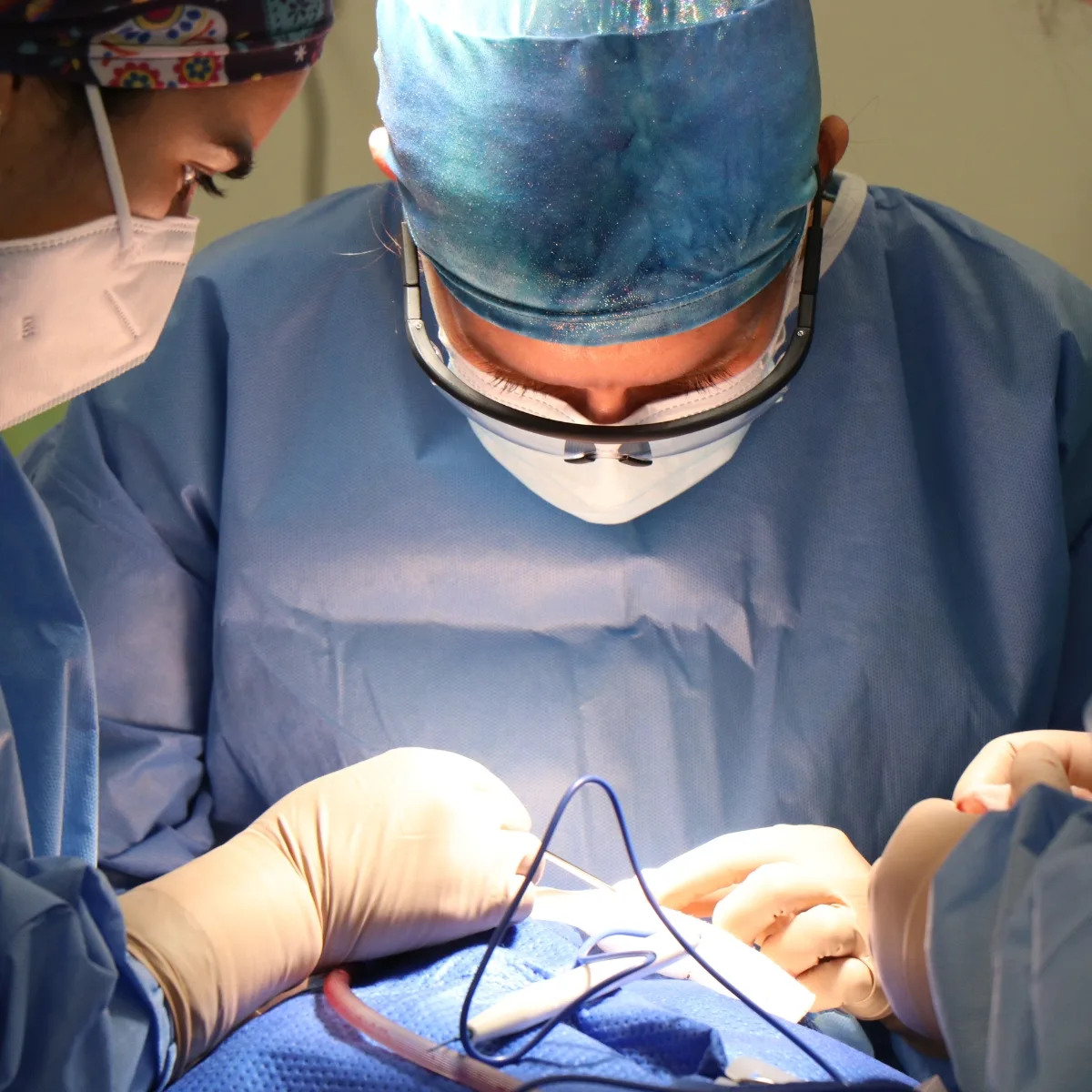
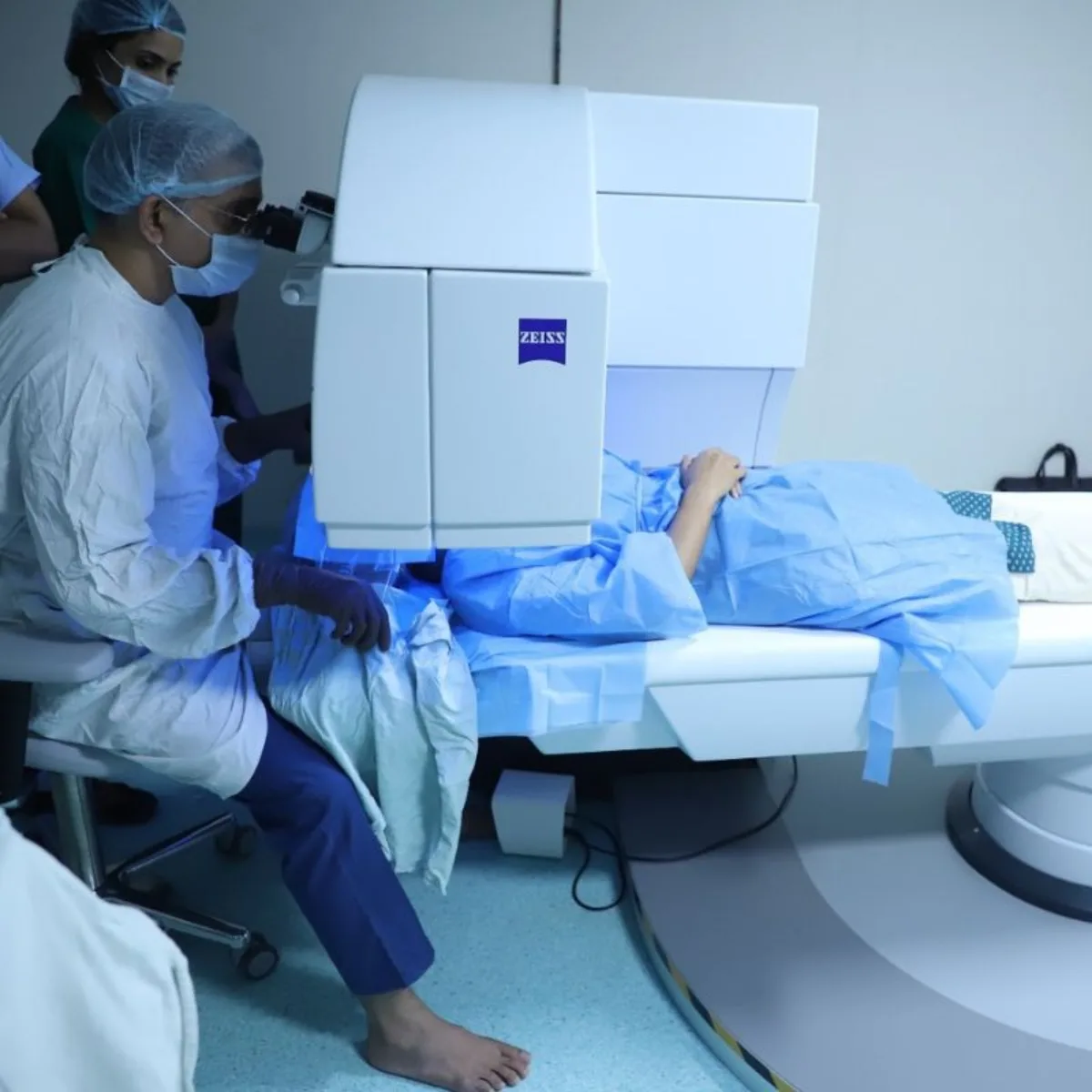
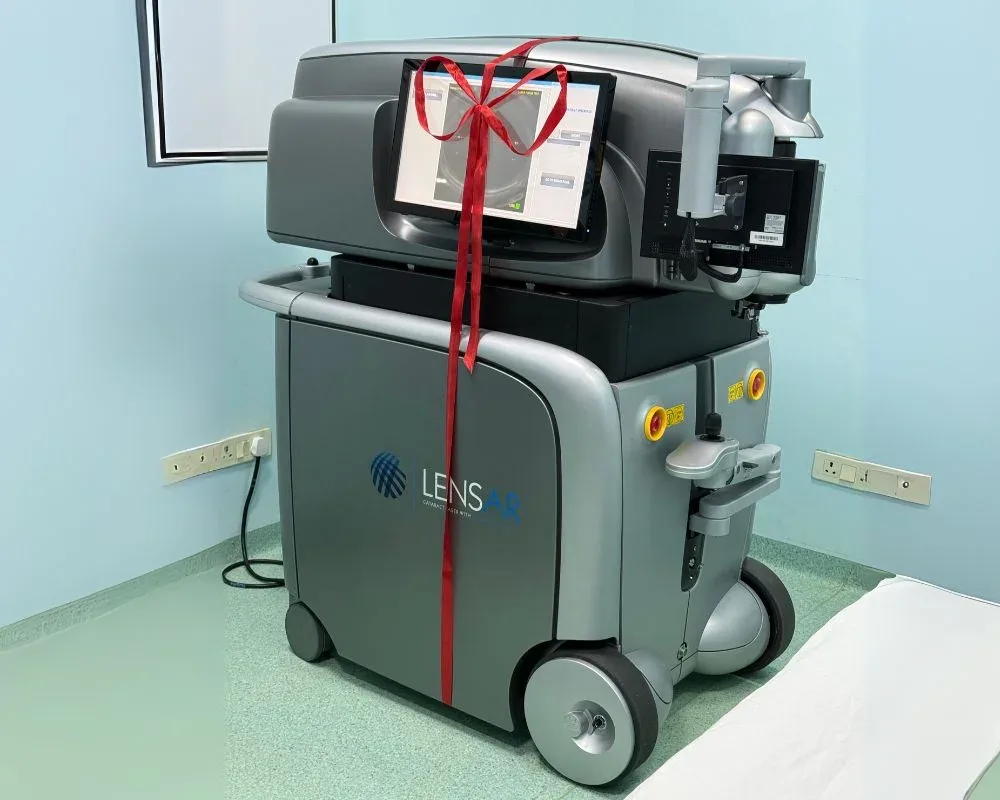
How it is done. In Phaco (also done as MICS), the surgeon makes a very small opening, softens and removes the cloudy lens with a fine ultrasound probe, and slides the new one in — stitches are usually not needed. This is the standard operation and what most patients have. In FLACS, a laser does a few of the most delicate steps first; it costs more and is not needed in every eye.
Which lens? A monofocal lens gives clear vision at one distance, usually far, with reading glasses still used — this is the commonly chosen lens. A toric lens also corrects astigmatism, an uneven curve of the eye's surface. A multifocal lens aims to reduce how much you depend on glasses at more than one distance, and needs an otherwise healthy eye. A costlier lens is not automatically the right lens for you.
Suitability depends on a detailed evaluation — not every patient is a candidate, and we will tell you plainly if you are not. Younger patients travel in too, for LASIK, SMILE or Contoura Vision subject to candidacy testing.
For most families coming from Tauru and Nuh this is the section that decides everything, so here it is in plain words.
We accept Ayushman Bharat (PM-JAY) and the Health Department, Government of Haryana. Under these schemes an eligible family receives covered treatment at an empanelled hospital without paying for it themselves — the scheme settles it, and eye surgery including cataract is among the treatment these schemes are designed to cover. We also accept CGHS and ECHS for government employees, pensioners and ex-servicemen and their families, plus cashless treatment with a long list of empanelled insurers and TPAs.
Our insurance desk checks eligibility before admission and starts the pre-authorisation paperwork. Be clear on one thing: we can verify your documents and apply, but the decision to approve rests with the scheme authority or the insurer, not with the hospital. We cannot promise approval, and you should be wary of anyone who does.
What we will do is check your papers properly, tell you the position before you commit to anything, and tell you the cost if the scheme does not apply. Call +91 81786 39701 a day or two before you travel and say which card you hold, so the paperwork is moving before you arrive.
If no scheme applies — or for elective treatment such as laser vision correction — we offer Easy EMI through Savein, plus EMI through NBFC partners and select debit cards; a nominal processing fee may apply. Cataract, retina and LASIK are EMI-eligible. Full details on our policies and insurance page.
Every eye is different, so final cost is confirmed only after a consultation and examination. As a guide, our fees start from the ranges below. Where a scheme or insurance applies, what you actually pay may be very different.
These are indicative starting ranges, subject to an individual consultation and eye examination. Femto/laser-assisted cataract surgery costs extra. Your final cost depends on your eyes, the lens or technology chosen and your investigation findings.
Consult with our doctors and speak to the insurance desk on the same visit.
Some eye problems announce themselves. Two important ones do not.
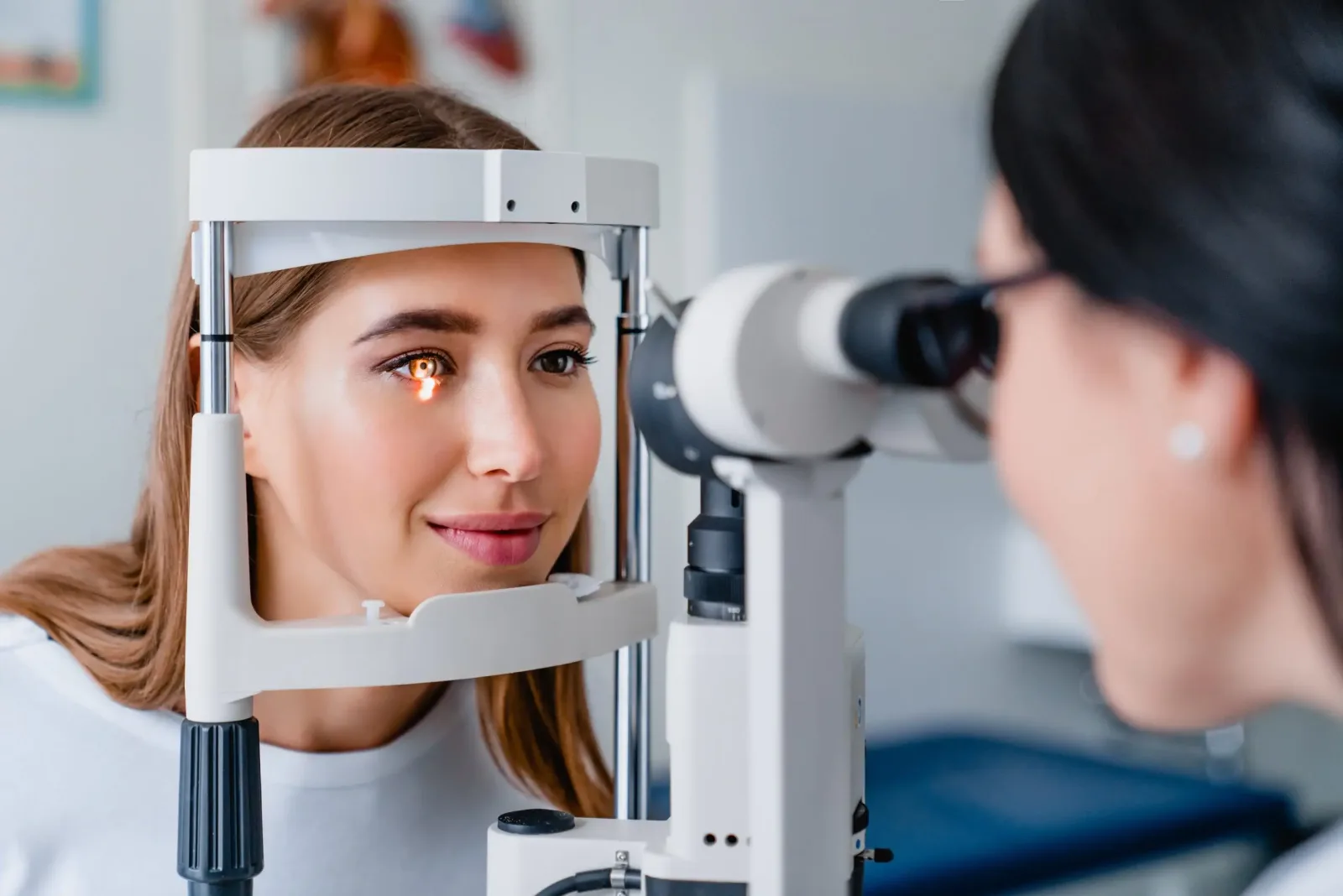
Diabetes and the retina. Long-standing sugar slowly damages the fine blood vessels at the back of the eye — diabetic retinopathy. Early on, vision can be completely normal, nothing blurs and nothing hurts, yet a specialist can already see the changes. Published guidance is consistent that people with type 2 diabetes should have a dilated retina examination when diabetes is diagnosed, and at regular intervals after. If you have had sugar for five years or more and never had drops put in and the back of the eye examined, that one check is worth the trip. See our retina care.
Kala motia (glaucoma). Pressure inside the eye slowly damages the nerve that carries sight to the brain. It starts at the outer edges of vision, where you do not notice it, and it does not hurt. Sight already lost cannot be brought back, but treatment can protect what remains — a reason to be checked calmly, not a reason to be afraid. If a parent or sibling has kala motia, or you are over 40, ask for a pressure and nerve check at your next eye check up. Both checks are simple, done in the same visit, and involve no surgery.
For many people reading this page, this is the most useful thing we can offer. We run 15–20 community eye camps every month across Gurgaon and Delhi-NCR under our "Saving Sights, Saving Lives" programme. The camps go to villages, schools, workplaces and areas where reaching a hospital is genuinely hard. Eyes are examined, glasses numbers checked, and people who need cataract, retina or glaucoma attention are identified and told what to do next.
Our invitation is a standing one, and we mean it. If you are part of a panchayat, a school or madrasa committee, a mosque, temple or gurudwara committee, a self-help group, a farmers' group, a factory or a social organisation in Tauru tehsil or anywhere in Nuh district and would like a screening camp, please get in touch. Tell us your location, roughly how many people you expect and a contact person, and we will call you back about dates.
Call or WhatsApp us, or email wecare@dayaleyecentre.in with your location and a contact person.
We are on Galaxy Road, Sector 15 Part 2, right beside 32nd Avenue (about 150 m), just off NH-48. A driver who knows 32nd Avenue knows us. A proper examination usually needs drops to widen the pupil, which blur near vision for a few hours — so do not plan to drive or ride back yourself. Bring someone with you.
Dayal Eye Centre is a single NABH-accredited eye hospital in Sector 15, Gurugram (Gurgaon). We serve patients from Tauru and across Delhi-NCR; we do not operate a separate branch in Tauru. Distances and drive times given here are approximate and traffic-dependent.
Most eye procedures, including cataract surgery, are same-day day care: you come in the morning, the operation itself takes well under an hour, and you go home the same evening with drops and written instructions. If your surgeon advises admission, the in-patient ward is in the same building, with general, semi-private and private beds.
Ask for the earliest slot of the day. It makes the drive in easier, gives the tests and paperwork time to finish in one visit, and gets you home in daylight. Visits to plan for, per eye: consultation with tests and lens measurement; the surgery day; a review the next day; then follow-ups at about one week and one month. Both eyes are normally operated on separate dates, not together. After surgery someone at home must put drops in at fixed times for several weeks — ask the nurse to write the drop timings in the language you read most easily.
Results: Individual results vary based on eye condition, prescription/power range, corneal thickness, age, overall eye health and healing response. Outcomes shown or described are not a promise of a specific result.
Pricing: All costs are indicative starting ranges and are subject to an individual consultation and eye examination. They are not a quotation.