NABH Accredited 20+ Years 1.2 Lakh+ Surgeries International Patients Mon–Sat · 8:30 AM–7:30 PM +91 81786 39701

NABH Accredited
Dayal Eye Centre
Contact
Book an AppointmentHow would you like to go ahead?
Self BookingPick your doctor, date and slot. Booking RequestLeave your number — our counsellors call you. Mon–Sat 8:30 am – 7:30 pm · Sunday closed
NABH · Gurugram

Need a second opinion on your eyes?

Leave your number. A specialist calls you back today.

Available now

Call us from your phone

Copy the number, or leave your details and we will call you back.

+91 81786 39701

Mon–Sat · 8:30 AM–7:30 PM · Sector 15, Gurugram
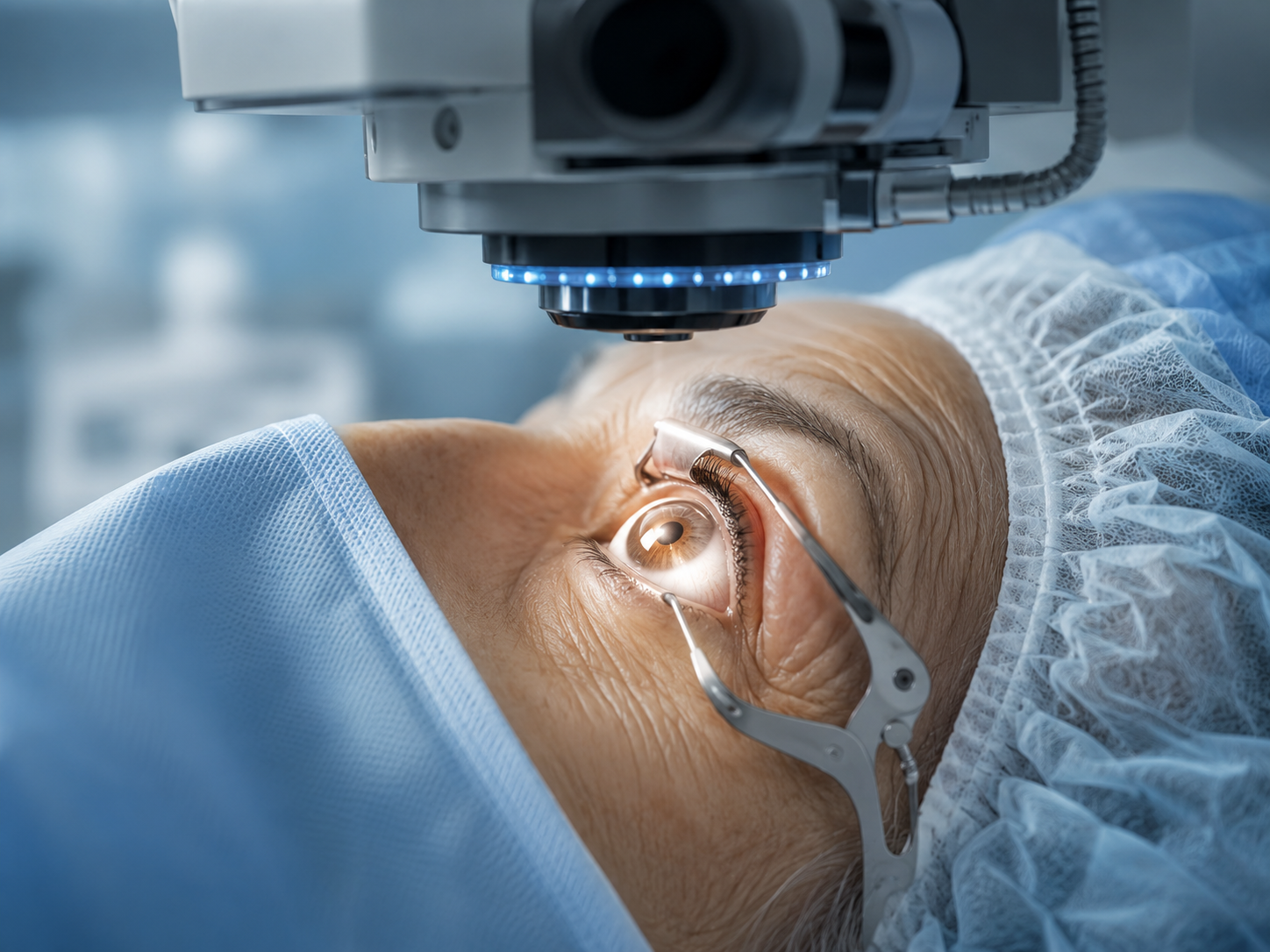
Best Cataract Surgery in Gurgaon

Advanced cataract surgery in Gurgaon offers a safe, effective solution for blurred vision, glare, and vision problems caused by cataracts. At Dayal Eye Centre, our experienced ophthalmologists perform cataract procedures using advanced technology and customised intraocular lens solutions to help you achieve clearer vision.

NABH Accredited
20+ Years of Trust
1.2 Lakh+ Eye Surgeries
Cashless, Govt Schemes & Easy EMI
Cataract surgery at Dayal Eye Centre, Sector 15, Gurugram
Watch: how cataract surgery is performed

Excellence Achieved in Eye Care Field

Ayushman Bharat Awards — 2021 & 2024
Dainik Jagran
Haryana Surgical Centre Excellence Award — 2025
Dayal Eye Centre
NABH-Accredited Eye Hospital
NABH
View All Recognitions & Accreditations

Dayal Eye Centre is empanelled with CGHS, ECHS, Ayushman Bharat (PM-JAY) and the Health Department, Government of Haryana, and works cashless with more than twenty insurers and TPAs. Our billing team handles the pre-authorisation paperwork for you. See the full list of insurers and schemes.

Bajaj Allianz Bharti AXA HDFC Ergo IFFCO Tokio National Insurance New India Assurance Niva Bupa Reliance General Royal Sundaram SBI General Star Health Tata AIG Health India TPA Medi Assist Paramount Health Vidal Health CGHS ECHS Ayushman Bharat (PM-JAY) Bajaj Allianz Bharti AXA HDFC Ergo IFFCO Tokio National Insurance New India Assurance Niva Bupa Reliance General Royal Sundaram SBI General Star Health Tata AIG Health India TPA Medi Assist Paramount Health Vidal Health CGHS ECHS Ayushman Bharat (PM-JAY)
About Us

Dayal Eye Centre

Our motto is simple: you and your eyes are our top priority. Dayal Eye Centre is a dedicated eye hospital — eyes are not one department among many here, they are the only thing we do. That focus lets a patient be examined, counselled, operated and followed up by the same senior team, on one site, with the diagnostics and the operation theatres in the same building.

Dayal Eye Centre hospital building, Sector 15, Gurugram
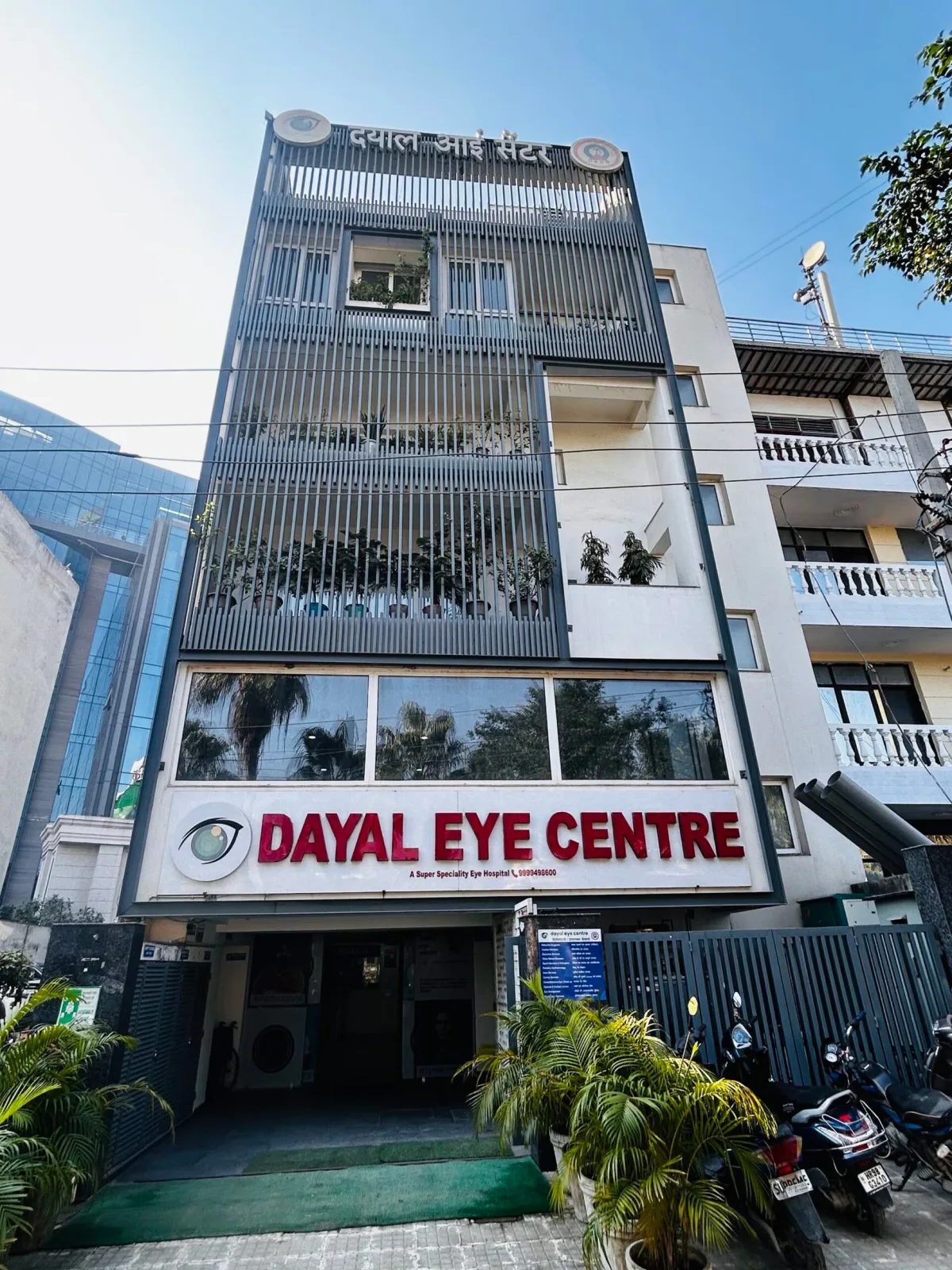
Three Modular Operation Theatres
With an in-patient ward — general, semi-private and private rooms on site.
80,000+
Cataract surgeries by our Director
1.2 Lakh+
Eye surgeries across the centre in 20+ years
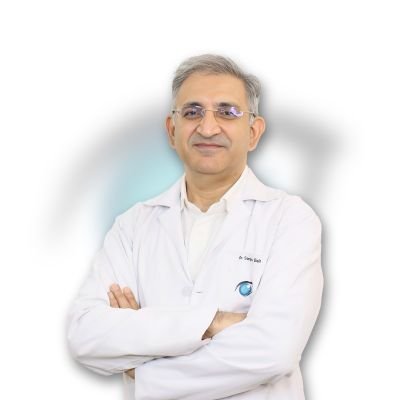
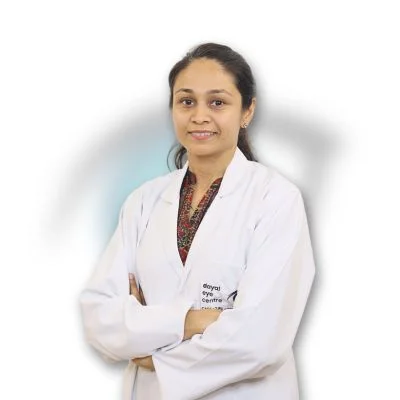
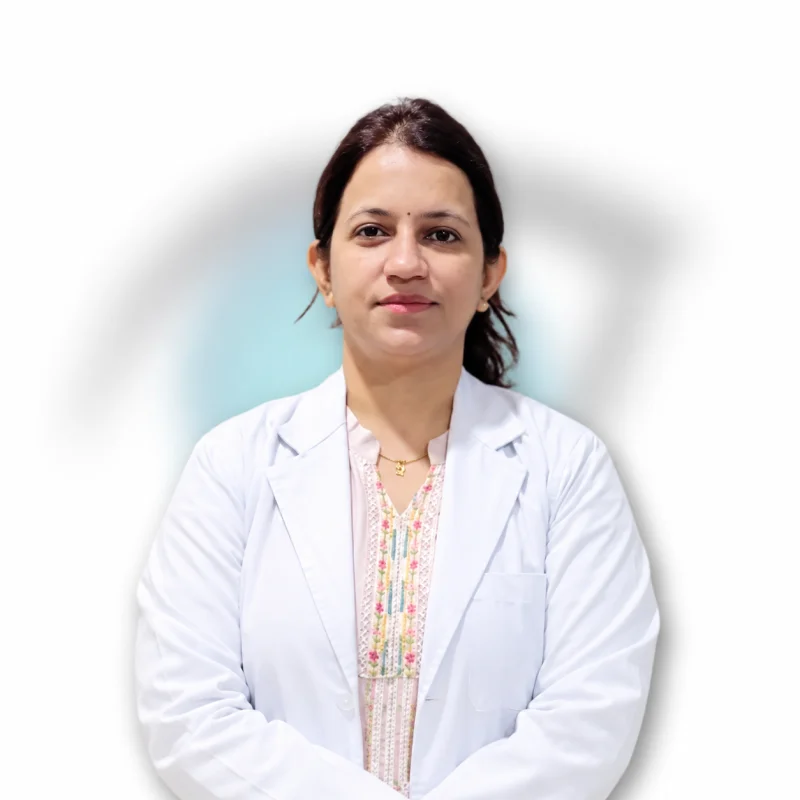
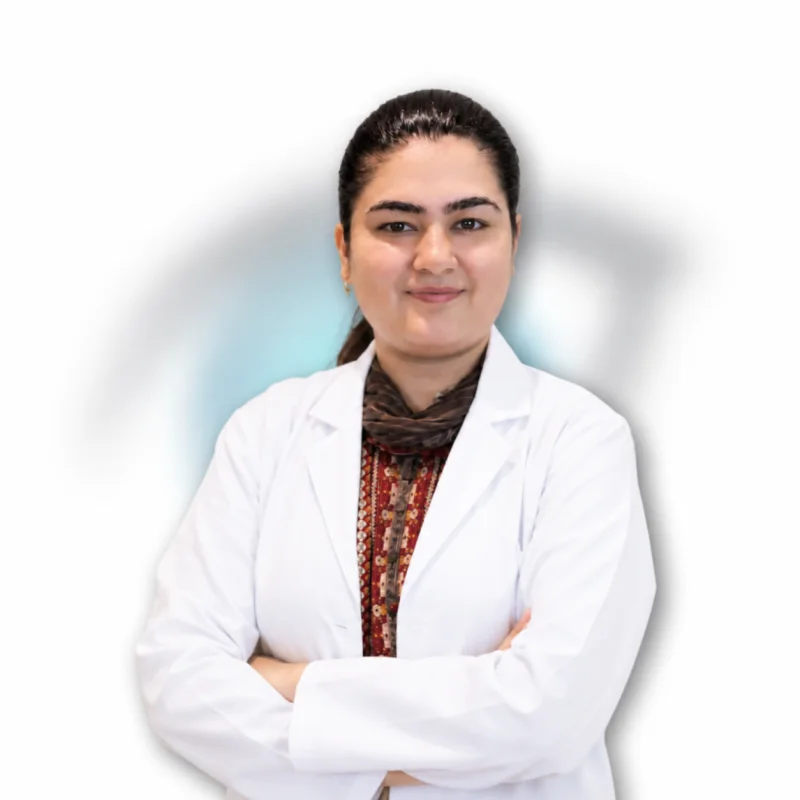
Meet Our Cataract Surgeons
NABH accreditation mark
NABH-Accredited Eye Hospital
The national standard for hospital quality and patient safety.

Independently assessed against national standards for clinical quality and patient safety, with three modular operation theatres and an in-patient ward for the small number of cataract patients who need to stay.

Our Treatments

Every Way We Correct Your Vision

Every modern cataract pathway under one roof — your measurements decide which one suits your eye.

01
Phacoemulsification

The standard technique — ultrasound removes the cataract through a ~2.2 mm self-sealing incision.

KNOW MORE
02
Femto Laser-Assisted (FLACS)

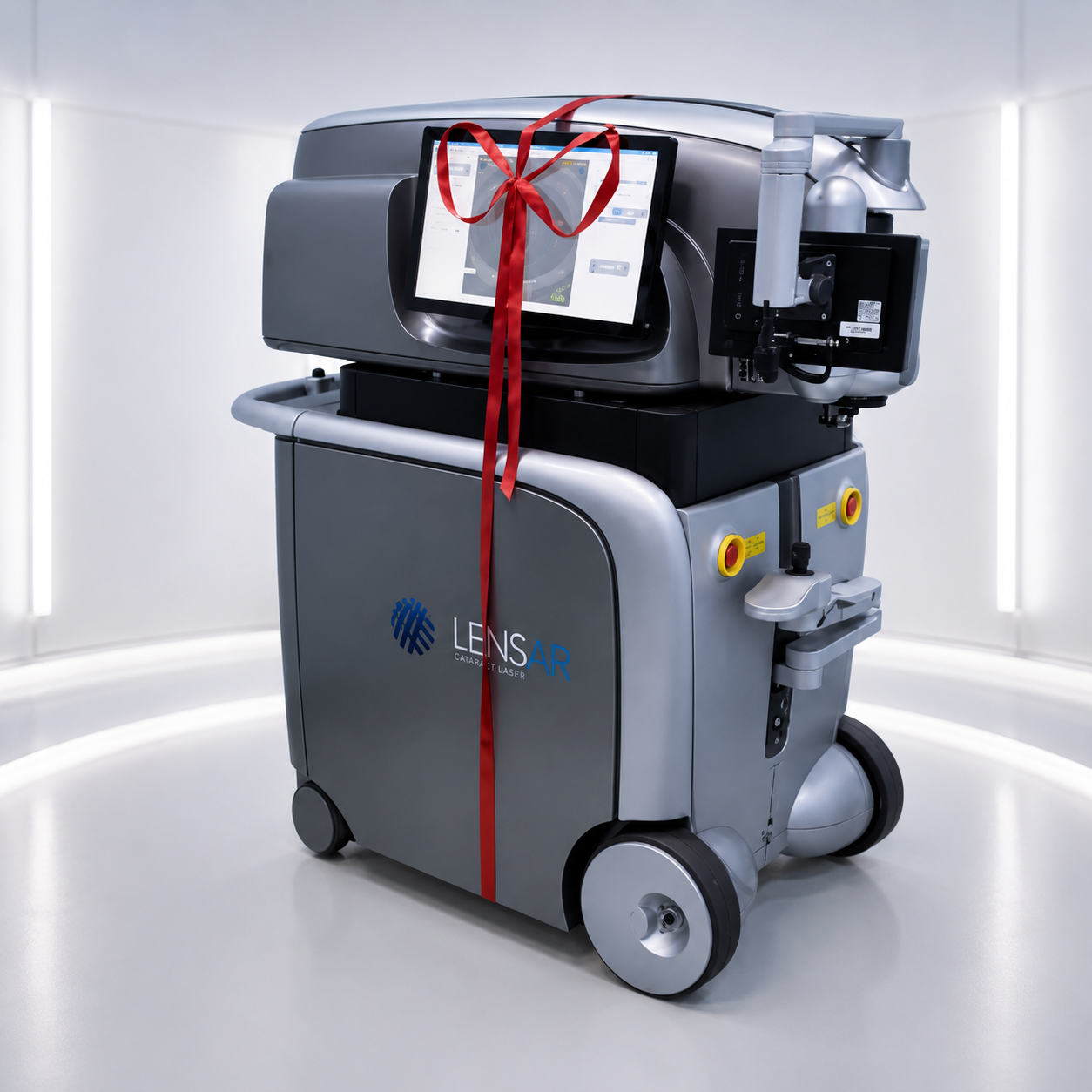
A femtosecond laser performs the first steps of surgery, bladelessly, on the LENSAR platform.

KNOW MORE
03
Microincision Surgery (MICS)

The same phaco principle through an even smaller incision, for selected eyes.

04
Premium & Toric IOLs

Monofocal, multifocal, toric and accommodating lens options, matched to your measurements.

Our Team

Our Expert Team

Led by our Director, with fellowship-trained cataract surgeons — the doctor who examines you is the doctor who operates.

See All Cataract Surgeons
80k+
Cataract Surgeries Performed
Personally by Our Director

Dr. Sanjeev Bisla is the Director & Chief Ophthalmologist of Dayal Eye Centre. After his MBBS (GMC Miraj) and MS Ophthalmology (PGIMS Rohtak), he earned fellowships in PHACO and Glaucoma from Aravind Eye Hospital. 23 years in practice and more than 80,000 cataract surgeries performed personally — phaco, MICS, FLACS and premium IOL implantation.

MBBS · GMC MirajMS Ophthalmology · PGIMS RohtakPHACO & Glaucoma Fellowships · Aravind Eye Hospital23 Years · 80,000+ Cataract Surgeries
Dr. Sanjeev Bisla
Director & Chief Ophthalmologist
Full Profile
Dr. Sanjeev Bisla, Director and Chief Ophthalmologist at Dayal Eye Centre
Testimonials

Patient's Feedback

These are our own patients, in their own words.

Watch Patient Stories
★★★★★
I was operated in the morning and home by lunch. No injection, no bandage — and I could read the newspaper the next day.
R.K. R.K. · Cataract surgery, Gurgaon
★★★★★
They took the time to explain which lens suited my eye and did not push the most expensive one. That honesty is why I chose Dayal.
S.M. S.M. · Cataract, Gurgaon
★★★★★
The measurements before surgery were incredibly thorough. My distance vision is now sharper than it has been in years.
A.G. A.G. · Cataract, Delhi NCR
★★★★★
Both eyes done two weeks apart. The billing team handled all my insurance paperwork — I did not have to run around.
P.D. P.D. · Cataract, Gurgaon
★★★★★
Dr. Bisla operated on my mother. Calm, senior hands and a team that answered every question we had.
V.S. V.S. · Cataract, Gurgaon
★★★★★
Day-care surgery, drop anaesthesia, and follow-ups exactly as promised. Recovery was faster than I expected.
K.R. K.R. · Cataract, Delhi NCR
★★★★★
I was operated in the morning and home by lunch. No injection, no bandage — and I could read the newspaper the next day.
R.K. R.K. · Cataract surgery, Gurgaon
★★★★★
They took the time to explain which lens suited my eye and did not push the most expensive one. That honesty is why I chose Dayal.
S.M. S.M. · Cataract, Gurgaon
★★★★★
The measurements before surgery were incredibly thorough. My distance vision is now sharper than it has been in years.
A.G. A.G. · Cataract, Delhi NCR
★★★★★
Both eyes done two weeks apart. The billing team handled all my insurance paperwork — I did not have to run around.
P.D. P.D. · Cataract, Gurgaon
★★★★★
Dr. Bisla operated on my mother. Calm, senior hands and a team that answered every question we had.
V.S. V.S. · Cataract, Gurgaon
★★★★★
Day-care surgery, drop anaesthesia, and follow-ups exactly as promised. Recovery was faster than I expected.
K.R. K.R. · Cataract, Delhi NCR

Testimonials reflect the personal experience of individual patients and are shared with consent, initials only. Individual results vary with age, eye health, the type of cataract and the lens implanted, and adherence to post-operative care. These testimonials are not medical advice.

Care at Every Step

How Are We Best for Cataract Surgery in Gurgaon?

Diagnosis Before Cataract Surgery

Cataract surgery is a measurement problem as much as a surgical one. The IOL power we implant is calculated from your eye's own dimensions — if the measurement is off, so is the result.

Refraction & spectacle check — establishes your present prescription and any refractive error to account for.

Slit-lamp examination — tells us the type of cataract and the state of the structures supporting the lens. A soft cataract and a rock-hard one are different operations.

Optical biometry (ZEISS IOL Master 700) — measures axial length, corneal curvature and anterior chamber depth to calculate IOL power — the single most important measurement for your final vision.

Corneal tomography (OCULUS Pentacam) — maps the cornea where astigmatism, irregularity or keratoconus must be characterised before a toric or premium lens.

iTRACE ray-tracing aberrometry — separates corneal from internal optical error, so we can tell you how much of the blur the cataract is actually responsible for.

Dilated retinal exam & OCT — if there is macular disease behind the cataract, vision after surgery is limited by the retina — you deserve to know that before choosing a premium IOL.

Tonometry, BP & blood sugar — uncontrolled pressure or sugar raises risk; we will postpone rather than proceed if they are not in range.

Cataract Surgery Procedure

The operation itself, step by step — total surgical time usually 10 to 15 minutes, and you go home the same day.

1
Measurement & lens selection

Your IOL power is calculated from the biometry and the lens is chosen with you beforehand — not on the table.

2
Anaesthesia

In almost all cases the eye is numbed with drops alone. No injection. You are awake, comfortable, and able to speak to the surgeon.

3
The incision

A self-sealing keyhole incision of about 2.2 mm is made at the edge of the cornea. No stitches required.

4
Protecting the eye

A viscoelastic gel is injected to hold the eye’s shape and protect the inner structures throughout.

5
Opening the capsule

A precise circular opening is made in the front of the capsular bag. In FLACS this step is performed by the femtosecond laser.

6
Removing the cataract

Ultrasound energy emulsifies the clouded lens, which is aspirated out through the same small incision — the phacoemulsification step.

7
Implanting the IOL

The foldable lens is inserted through the same 2.2 mm incision and unfolds into the capsular bag, where it stays permanently.

Recovery & Aftercare

The first day

Because we operate under drop anaesthesia, most patients begin to see within a few hours. Expect mild grittiness, watering or redness — normal, and it settles. A protective shield is used, particularly at night.

The first week

Vision usually improves noticeably within a few days. Your eye-drop schedule is the single most important thing you do — follow it exactly. Do not rub the eye; avoid bending, straining and heavy lifting. No splashing water on the face for a week; a head bath is fine after one week.

Getting back to normal

As a guide: normal diet from day one; shaving, walks and driving from around day three after your doctor confirms it; kitchen work from about a week; screens within one to two weeks; yoga and gym from two to three weeks. Your surgeon will tailor this to your eye.

Follow-up & the second eye

You are seen the day after surgery and again at set intervals; full healing takes around four weeks. If both eyes need surgery, the second is usually scheduled once the first has healed. Spectacle prescription, if needed, is given four to six weeks after the second surgery.

Call us straight away — not at your next appointment — for increasing pain, a sudden drop in vision, spreading redness or any discharge. Call +91 81786 39701.

The Right Candidate for Cataract Surgery

Most people with a visually significant cataract are candidates. What we assess before confirming:

General health — chronic conditions such as diabetes and hypertension should be well controlled, not absent. Large numbers of our patients are diabetic or hypertensive and are operated safely.

No active infection — an active eye infection or untreated ocular surface disease is treated first.

A full medical review — previous surgeries, current medications and supplements, including blood thinners and prostate alpha-blockers, which your surgeon needs to know about.

The retina & optic nerve — if macular disease or glaucoma is present, surgery may still be worth doing, but the realistic visual ceiling is set by those conditions, and we will tell you what it is.

Lifestyle factors — smoking slows healing.

Every patient is assessed individually. If we do not think surgery will help you, we will say so.

Prepare for Cataract Surgery

  • Tell us about any change in the eye in the weeks before surgery — redness, pain, discharge. We would rather reschedule than operate on an eye that is not quiet.
  • Bring your medicine list, including supplements. Some medications are paused before surgery; only your doctor should decide which.
  • Start your pre-operative drops exactly as prescribed, and bring them with you on the day.
  • Stop contact lenses three days before; wear glasses instead.
  • On the day: comfortable clothes, no make-up, no perfume, no deodorant. Fast from midnight; no alcohol for 24 hours before.
  • Arrange a companion to bring you home — your vision will be blurry for a few hours. Ask everything you want to ask.

Bring your ID and your insurance, TPA or scheme paperwork so admission is quick. What to bring, in full.

Overview

What Is Cataract Surgery?

Cataract surgery removes the clouded natural lens of your eye and replaces it with a clear artificial lens, called an intraocular lens or IOL. That IOL stays in your eye permanently; it does not need replacing, and it does not wear out.

What Causes Cataracts?

The most common cause is simply age. From around 40, the proteins inside the lens change and clump, and the lens gradually loses transparency — cataract accounts for 66.2% of blindness in Indians aged 50 and over (Vashist et al., PLoS One, 2022). Several things can bring it on earlier:

Diabetes: Type 2 diabetes roughly doubles the odds of cataract (odds ratio 1.97; Li, Wan & Zhao, BMC Ophthalmology, 2014). An annual dilated eye examination matters.

A family history of cataract: increases your risk.

Eye injury: a blow to the eye can cause a traumatic cataract, sometimes years later.

Previous eye surgery: including surgery for glaucoma.

Long-term steroid use: for example for arthritis, asthma or allergies; also radiation therapy to the head or neck.

Smoking, heavy alcohol use, and sun exposure: years of unprotected UV exposure accelerate clouding.

Congenital cataract — a baby born with a cataract — is treated surgically and early by our paediatric ophthalmology service.

What Are the Symptoms of Cataracts?

Cataract comes on slowly, which is why people often adapt without realising. The signs to watch for:

Blurred, cloudy or dimmed vision, as though looking through a fogged window

Difficulty seeing at night, particularly while driving

Sensitivity to light and glare; halos around headlights and street lamps

Needing brighter and brighter light to read

Colours looking faded, yellowed or washed out

Double vision in one eye

Your spectacle prescription changing more often than it used to

Techniques

Types of Cataract Surgery

Not every cataract is removed the same way. The technique is chosen on the density of the cataract, the health of the cornea and the supporting structures, and what your eye measurements show.

TechniqueWhat it involvesWhere it is used
Phacoemulsification (Phaco)Ultrasound energy breaks up the cataract; it is removed through a ~2.2 mm self-sealing incision and a foldable IOL is implanted through the same opening.The standard technique for the large majority of cataracts we operate.
Microincision surgery (MICS)The same principle through an even smaller incision.Selected eyes where a smaller wound is an advantage.
Femto laser-assisted (FLACS)A femtosecond laser makes the incisions, opens the lens capsule and pre-fragments the cataract before the phaco step.Bladeless option; discussed case by case.
Extracapsular (ECCE)The lens is removed in one piece through a larger incision, leaving the capsule in place.Very dense or advanced cataracts where phaco is not safe.
Intracapsular (ICCE)The lens and its capsule are removed together.Rare; only where the lens support is not intact.
Refractive lens exchangeThe same surgery performed on a clear lens to correct a refractive error.Selected refractive patients, not routine cataract.

If your cataract is early and your vision is still workable, you may need nothing more than an updated spectacle prescription — and we will tell you so. Surgery is recommended when the cataract has begun to interfere with the things you actually do.

Doctor Instructions About Cataract Surgery

Before you commit to anything, hear it from the surgeon. These are our own doctors, on camera, explaining what a cataract is, what happens on the day, and what you should and should not do afterwards.

Watch the Doctor Instruction Videos

Who Should Undergo Cataract Surgery?

There is no fixed vision number at which cataract surgery becomes necessary. The real test is whether the cataract has started to cost you things you want to keep doing.

If a cataract is dense enough to block our view of the back of your eye, we cannot properly monitor conditions such as diabetic retinopathy or macular degeneration — removing it is what makes the rest of your eye care possible.

Is It Time? Book Your Evaluation
We would usually discuss surgery if you find it hard to:

Read comfortably, even with your current glasses

Drive, especially after dark

Recognise faces, judge steps, or manage everyday tasks safely

On timing

For most people there is no emergency, and delaying will not damage the eye. But a cataract left for years becomes hard and dense — a technically more demanding operation with higher risk.

Poor vision also has wider consequences: fall risk dropped by 54% after first-eye and 73% after second-eye cataract surgery in adults aged 55+ (Feng et al., Clinical Interventions in Aging, 2018).

When to consider surgery. Talk it through with your eye doctor rather than deciding from a symptom list. If you choose not to operate now, that is a legitimate decision — we will set a follow-up interval and watch the cataract instead. Cataracts can progress faster with diabetes, uncontrolled blood pressure or an already mature lens, so the interval is set for your eye, not by a rule of thumb.

The Lens Decision

Different Types of Cataract Lens

The IOL is the part of this decision that most affects how you will see afterwards — and it is a genuine trade-off, not an upgrade ladder. There is no lens that does everything. Here is what each type actually does, and what it costs you in return.

Type of LensCorrectionLimitationCost / eye (from)
Monofocal LensUsually distance visionReading glasses still needed for near work₹18,000 – ₹50,000
Multifocal LensBoth near and distance visionReduced contrast sensitivity; glare and halos more common₹15,000 – ₹90,000
Toric LensSpherical power and astigmatismMay not remove the need for glasses altogether₹45,000 – ₹75,000
Accommodating IOLAdjusts for near and distanceDoes not correct astigmatism on its own₹1,00,000 – ₹1,50,000

Starting-from prices, per eye, from Dayal Eye Centre's verified clinical data. Full price list and breakdown: cataract surgery cost in Gurgaon.

What the published evidence says — so you can weigh it yourself

Multifocal vs monofocal. A Cochrane review of 20 trials (2,061 people) found multifocal IOLs reduce spectacle dependence, but halos were around 3.5× more common and glare around 1.4× more common. Motivation to achieve spectacle independence is the deciding factor (de Silva et al., Cochrane, 2016).

Toric vs non-toric, if you have astigmatism. A meta-analysis of 13 trials (1,413 eyes) found toric IOLs gave better uncorrected distance vision, about 0.37 D less residual astigmatism, and greater spectacle independence, with no significant increase in complications (Kessel et al., Ophthalmology, 2016).

We will tell you which of these applies to your eye. What we will not do is sell you a premium lens you do not need — if a monofocal suits your eye and your life, that is what we will recommend.

LENSAR femtosecond laser platform at Dayal Eye Centre LENSAR

Femto Laser-Assisted Cataract Surgery

A laser, not a blade, for the first steps

FLACS uses a femtosecond laser to map your eye, then guides the corneal incisions, the circular opening in the lens capsule, and the initial softening of the cataract — each to a planned position and depth. The phacoemulsification step then follows.

We will be straight with you. FLACS is more precise in those first steps, but the large randomised evidence does not show that this precision translates into better vision. A 2023 Cochrane review of 42 trials (7,298 eyes) found probably little or no difference between FLACS and standard phaco in complications, visual acuity and quality of life. So we offer it, we have the platform, and there are eyes for which we recommend it — but we will not tell you it produces better vision than a well-performed phacoemulsification.

Read the full FLACS page, including who it suits
Experience & Trust

Our Cataract Results, Openly Stated

Most eye hospital websites publish a success rate and no method. We would rather publish the method.

What we can substantiate about our own practice

1.2 lakh+ eye surgeries performed across the centre in 20+ years

80,000+ cataract surgeries performed personally by our Director, Dr. Sanjeev Bisla, over 23 years

NABH accreditation — independently assessed against national standards for clinical quality and patient safety

Three modular operation theatres and an in-patient ward on site

Both routes available on site: conventional phaco and FLACS on the LENSAR platform

What the published evidence says generally

Because you are entitled to a benchmark that is not ours.

Across 240,000+ operations in the European Registry (EUREQUO), 94.4% of operated eyes achieved 6/12 vision or better; 97.2% in eyes with no other disease (Lundström et al., 2012).

Endophthalmitis, the most serious complication, occurs in roughly 0.045% of eyes with intracameral prophylaxis — about 1 in 2,200 (Shi et al., 2022).

Around 1 in 10 eyes later develops capsule clouding (PCO) needing a few-second Nd:YAG laser: 4.1% with monofocal, 21.2% with diffractive multifocal lenses (Horn et al., 2022).

Ayushman Bharat Awards — 2021 & 2024
Dainik Jagran
Haryana Surgical Centre Excellence Award — 2025
Dayal Eye Centre
NABH-Accredited Eye Hospital
NABH
Why we don't publish a single success rate

An unaudited percentage on a page like this is exactly the kind of claim that should not be made. If audited figures — number of eyes, follow-up period, definition of success — can be verified, we will publish them here with the methodology attached. Until then, this section carries our surgical volume, our accreditation and external benchmarks, all of which are defensible.

All surgical procedures carry inherent risks, including infection, inflammation, bleeding and, rarely, loss of vision. Individual results vary with age, eye health, cataract density, the lens chosen and adherence to post-operative care. Your surgeon will discuss the risks and benefits that apply to your eye during your consultation.

Our Method

How We Decide Which Lens Suits Your Eye

Patients are often shown a lens price list and asked to choose. That is the wrong way round. Here is the sequence we actually follow.

1
We measure the eye first, and tell you what the measurements mean

Axial length and corneal curvature (IOL Master 700), corneal shape and astigmatism (Pentacam), and where your optical error actually sits (iTRACE).

2
We check the retina before we discuss premium lenses

If OCT shows macular disease, a multifocal lens is usually the wrong choice — the retina, not the lens, will set your vision. Recommending a premium IOL into a compromised macula is the most expensive mistake in cataract surgery, and we will not make it.

3
We ask what you actually do all day

Someone who drives at night has different priorities from someone who reads for four hours. The multifocal decision turns on how much you value spectacle independence against the risk of halos and glare — that is your call, made with our information.

4
We match astigmatism honestly

Where there is significant corneal astigmatism, a toric IOL is supported by good evidence. Where there is not, a toric lens is an unnecessary cost.

5
We tell you the trade-off out loud

Every lens type has a limitation, and we will talk you through yours before you decide.

Bring your last prescription and your questions.

Consult With Our Doctors
Cost & Payment

More Details About Cataract Surgery in Gurgaon

Total Cost for Cataract Surgery in Gurgaon

Cataract surgery at Dayal Eye Centre starts from ₹20,000 per eye, with most cases falling in the ₹26,000 to ₹93,000 per eye range depending on the technique and the intraocular lens chosen.

The fee typically includes

The surgeon’s fee

Operation theatre and hospital charges

Pre-surgical investigations

The selected intraocular lens

Post-operative consultations

What moves the number
  • The surgical technique
  • The type and brand of IOL
  • The diagnostic tests your eye needs
  • Medications
  • Follow-up

Femtosecond laser-assisted surgery carries additional charges.

See the full price list, lens-by-lens breakdown and payment options

Prices shown are approximate and may vary based on individual patient needs, complexity of case and procedures performed. Final pricing is determined after a complete consultation and examination. They are not a quotation.

Payment Options Available at Dayal Eye Centre

Cataract surgery is medically necessary and is covered by most health insurance policies and government schemes. We settle cashless wherever the policy allows.

Easy EMI

Spread the cost over comfortable monthly instalments through our finance partner, Savein, and NBFC / select debit- and credit-card options. A nominal processing fee may apply.

Cashless Insurance

Cashless with more than twenty empanelled insurers and TPAs, including United India, New India Assurance, National Insurance and Oriental Insurance.

Self-pay

By cash, card, UPI or net banking — whichever is most convenient for you.

Other Government Schemes

Ayushman Bharat — PM-JAY

Central Government Health Scheme (CGHS)

Ex-Servicemen Contributory Health Scheme (ECHS)

Health Department, Government of Haryana

National Programme for Control of Blindness (NPCBVI)

Employees’ State Insurance Scheme (ESIS)

See all empanelled insurers, TPAs and schemes on our Policies and Insurance page — cashless paperwork is handled end to end by our team.

Why Choose Us for Cataract Surgery?

A senior surgeon operates on you. Not a rotating panel, not a trainee. The doctor who examines you is the doctor who operates.

Depth of experience in cataract. 80,000+ cataract surgeries by our Director alone, 1.2 lakh+ eye surgeries across the centre.

The measurement kit that decides your result. IOL Master 700, Pentacam, iTRACE and OCT — all on site, all done before your lens is chosen.

Both routes available. Conventional phaco and FLACS on the LENSAR platform, so the technique is chosen on clinical grounds.

Everything under one roof. If the same eye also has a retinal, corneal or glaucoma problem, the specialist for it is in this building.

The money handled properly. Cashless insurance, government schemes and Easy EMI, with our team doing the paperwork.

Recovery Tips After Cataract Surgery in Gurgaon

Rest for the first two to three days; recovery is quick but it is still surgery.

Follow the eye-drop schedule exactly — it prevents infection and controls inflammation.

Do not rub or press the eye. Use the protective shield at night.

Avoid bending, straining and heavy lifting in the first few days.

No water splashed on the face for one week; clean with a damp cloth. Head bath after one week.

Wear sunglasses outdoors — bright light and glare feel stronger for a while.

Keep every follow-up appointment, even if the eye feels fine.

Call us immediately for increasing pain, sudden loss of vision, spreading redness or discharge.

Risk or Complications in Cataract Surgery

Cataract surgery is among the most frequently performed operations in medicine and is generally very safe. It is still surgery, and it carries risk — we would rather you heard this from us.

Infection (endophthalmitis) — the most serious complication, and rare. Around 0.045% of eyes, roughly 1 in 2,200, with intracameral prophylaxis.

Inflammation and swelling — common in the early days, expected, and managed with drops.

Posterior capsule opacification (PCO) — clouding behind the lens months to years later. Not the cataract returning; treated with a Nd:YAG laser in seconds.

Posterior capsule tear — an intraoperative complication that may change where the IOL sits.

Retinal detachment — uncommon, and more likely in highly myopic eyes.

Residual refractive error — the eye may still need a small spectacle correction afterwards.

Reduced benefit with other eye disease — if you also have glaucoma or a retinal condition, the vision recovered may be less.

The way these risks are minimised is unglamorous: proper measurement, a sterile modular theatre, an experienced surgeon, intracameral prophylaxis, and a patient who takes the drops as prescribed and attends follow-up.

FAQs

Frequently Asked Questions

The surgery itself usually takes 10 to 15 minutes. Including preparation, the procedure and a short recovery period, plan for a few hours at the centre. It is day care — you go home the same day.

In almost all our cases the eye is numbed with anaesthetic drops alone, so there is no injection. Most patients report pressure or a sensation of something touching the eye rather than pain, and mild grittiness for a few days afterwards.

Many patients begin to see within a few hours because we do not routinely pad the eye. Vision usually improves noticeably within a few days, and full healing takes around four weeks. If you need spectacles afterwards, the prescription is given four to six weeks after your last surgery.

No. Once the clouded lens is removed it cannot re-form. What can happen, months or years later, is that the thin membrane behind the implanted lens clouds over — posterior capsule opacification. It is treated in the clinic with a Nd:YAG laser in a few seconds, without another operation.

That depends on your eye measurements, the health of your retina, how much astigmatism you have, and what you spend your day doing. Monofocal lenses give excellent distance vision but you will need reading glasses; multifocal lenses reduce spectacle dependence but make halos and glare more likely; toric lenses correct astigmatism. We recommend a lens after the measurements are done, not before.

Yes. Cataract surgery is medically necessary and is covered by most health insurance policies and government schemes including Ayushman Bharat, CGHS and ECHS. We settle cashless wherever the policy allows and our billing team handles the pre-authorisation paperwork for you.

View All Cataract FAQs

Not Sure Whether It Is Time Yet?

That is the most common question we are asked, and it has no answer without an examination. A cataract evaluation at Dayal Eye Centre tells you exactly what stage you are at, what your options are, and what it would cost — with no obligation to book surgery.

Consult With Our Doctors
Call +91 81786 39701
WhatsApp

808 B, Galaxy Road, Sector 15 Part 2, Near 32nd Avenue, Gurugram, Haryana 122001 · Mon–Sat 8:30 AM – 7:30 PM · wecare@dayaleyecentre.in

Medically reviewed by Dr. Sanjeev Bisla, MBBS, MS (Ophthalmology), Director — Dayal Eye Centre · Last reviewed: 28 July 2026 · Editorial Policy