




LASIK eye surgery helps patients achieve clearer vision without glasses or contact lenses. About 96% of patients achieve 20/20 vision after the procedure, making it one of the most effective vision correction options available today. Many patients report significant improvements in their daily activities, with 79% noting better night driving capabilities.
Talk with your eye doctor about whether LASIK surgery is right for you. While most patients experience excellent results, understanding both benefits and potential risks helps you make an informed decision about your vision care. Like any surgical procedure, LASIK requires careful consideration of your specific eye health and vision correction needs.
Our discussion will cover what happens during LASIK surgery, expected outcomes, possible complications, and factors that determine whether you’re a good candidate for the procedure. This information helps you work with your doctor to decide if LASIK aligns with your vision goals.
Understanding Modern LASIK Surgery
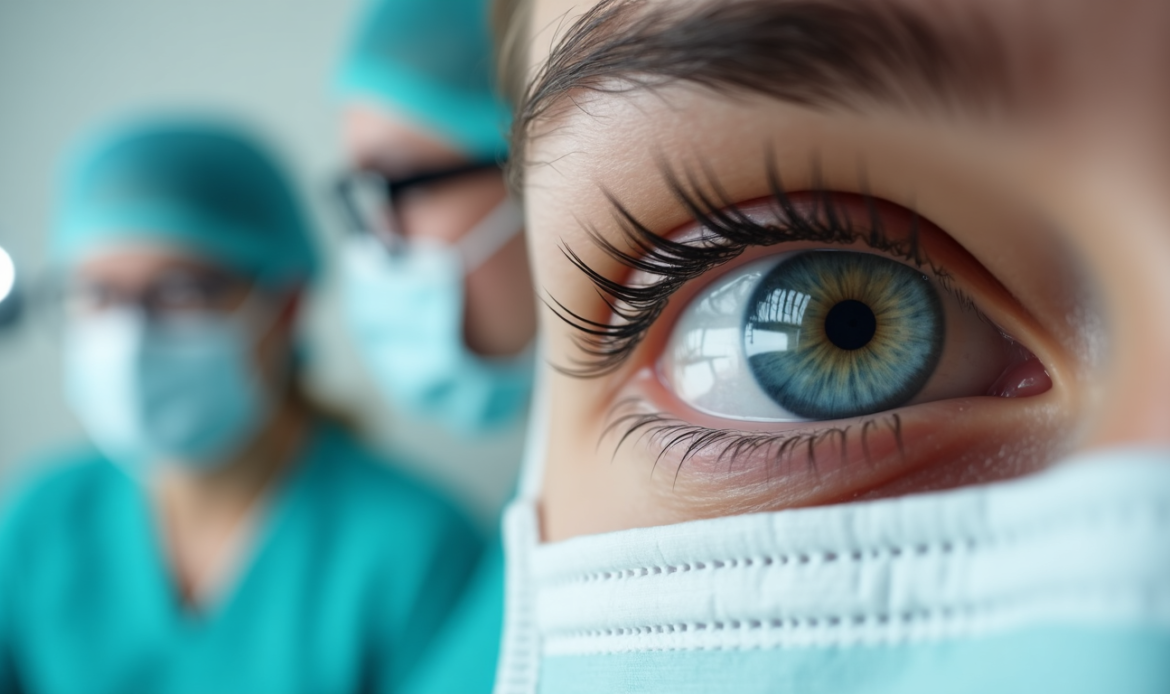
LASIK surgery reshapes your cornea – the clear front part of your eye – to correct vision problems. The way a camera lens focuses light to create clear images, your cornea focuses light onto your retina. When your cornea’s shape isn’t perfect, it causes blurry vision.
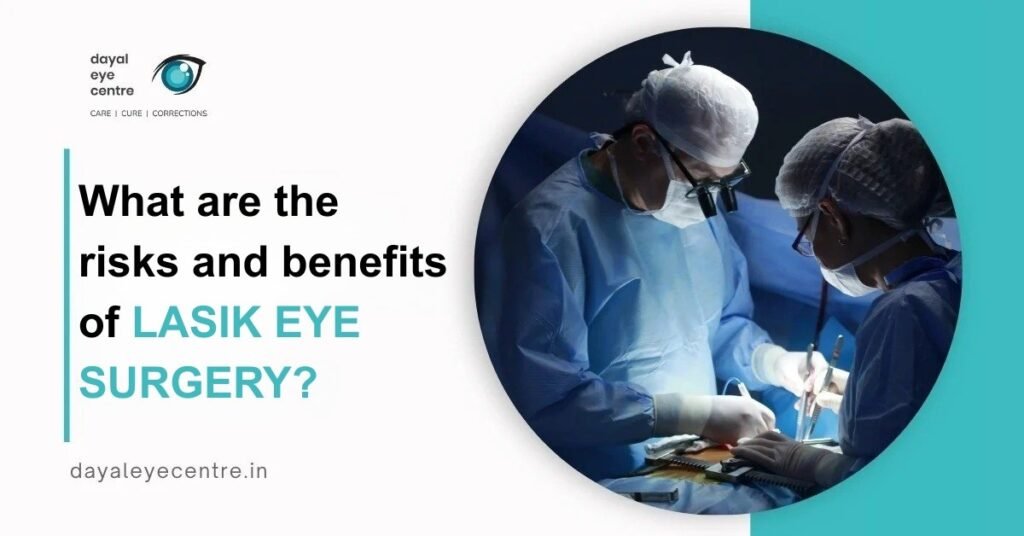
During LASIK, your eye surgeon creates a thin flap in your cornea using precise laser technology. Think of it like lifting a contact lens – this allows the surgeon to reshape the corneal tissue underneath. After reshaping, the flap is placed back, working like a natural bandage while your eye heals.
The procedure takes about 15-20 minutes for both eyes. Your surgeon uses eye drops to numb your eyes, so while you stay awake during surgery, you won’t feel pain. Most patients notice improved vision within 24 hours after surgery.
Modern LASIK technology allows your surgeon to map your eye’s unique features before surgery, much like taking a fingerprint. This helps create a precise treatment plan tailored to your specific vision needs.
Talk with your eye doctor about the type of laser technology best suited for your eyes. Different LASIK techniques might work better depending on your prescription, corneal thickness, and other eye characteristics.
Key Benefits of LASIK Surgery
LASIK surgery offers several advantages for patients seeking freedom from glasses or contact lenses. Most patients achieve 20/20 vision or better within a few days after surgery. Your vision typically stabilizes within 2-3 months, though some patients notice improvements as early as 24 hours post-procedure.
The procedure helps correct:
- Nearsightedness (difficulty seeing distant objects)
- Farsightedness (trouble focusing on close objects)
- Astigmatism (irregular cornea shape causing blurred vision)
Many patients report significant improvements in their daily activities after LASIK:
- Better night driving capabilities
- Easier participation in sports and outdoor activities
- No more hassles with glasses fogging up or contact lens care
- Improved peripheral vision compared to wearing glasses
For most people, LASIK results last long-term. While your eyes naturally change with age, the corneal reshaping from LASIK remains permanent. Some patients might need reading glasses as they get older, but this relates to normal aging rather than LASIK wearing off.
Talk with your eye doctor about whether these benefits align with your vision goals. While LASIK offers impressive results for many patients, your specific outcome depends on factors like your initial prescription and overall eye health.
Potential Risks and Complications
Like any surgical procedure, LASIK surgery carries certain risks. Understanding these helps you make an informed decision about your vision correction options.
Common Side Effects
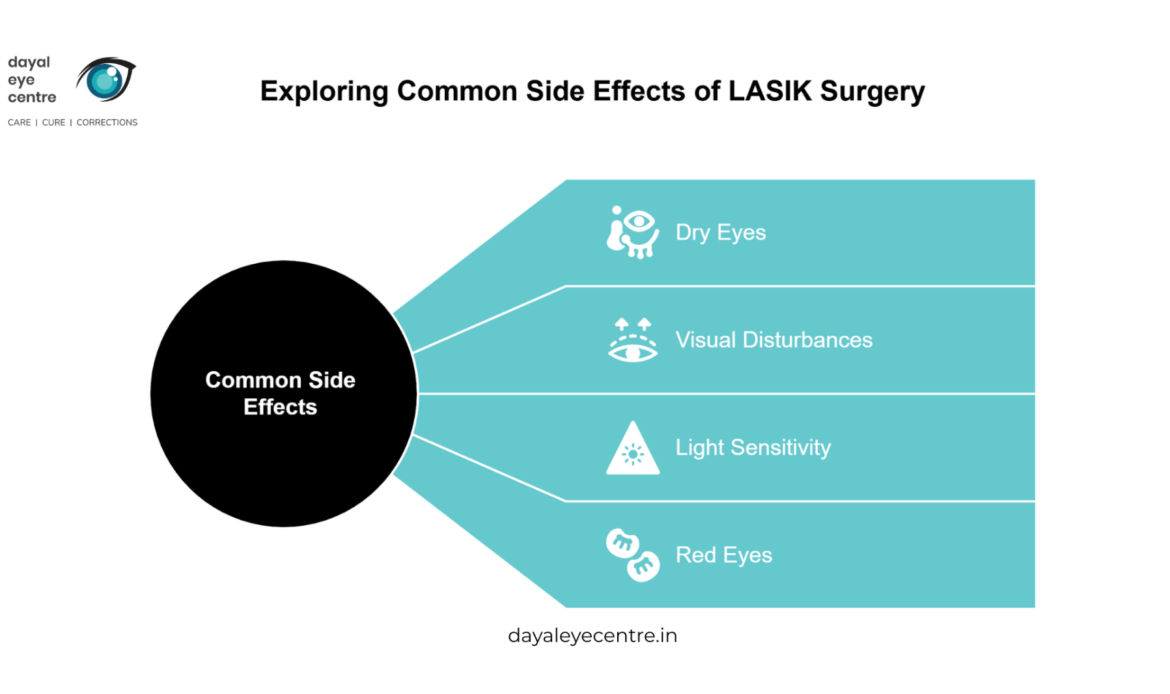
Most patients experience temporary side effects as their eyes heal. These typically improve within days to weeks:
Dry eyes: Up to 95% of patients notice dry eyes in the first month after surgery . While most cases improve within 6-12 months, about 20% of patients may have longer-lasting symptoms.
Visual disturbances: About 20% of patients see halos or glare around lights, especially at night, during the first month. These effects usually fade as your eyes heal.
Light sensitivity: Around 25% of patients experience increased sensitivity to bright lights early in recovery.
Vision fluctuations: Your vision might be blurry or change throughout the day, affecting about 35% of patients initially.
Red eyes: Some redness is normal and usually clears within 1-2 weeks.
Talk with your eye doctor about managing these side effects. Most patients find these temporary issues manageable – in fact, 95% report satisfaction with their LASIK results.
Serious Complications
While rare, more significant complications can occur after LASIK surgery:
Vision correction issues:
- Undercorrection or overcorrection happens in 5-10% of cases
- About 10% of patients experience some vision regression within 10 years
- Flap complications occur in about 0.3% of cases
- Chronic dry eye affects about 5% of patients
- Infections are very rare, occurring in less than 0.1% of cases
- Corneal ectasia (progressive thinning) affects 0.2-0.6% of patients
- Vision loss occurs in extremely rare cases (less than 0.01%)
Modern LASIK technology has improved safety and outcomes. Wavefront-guided LASIK has reduced night vision problems by 50% compared to traditional techniques.
Your eye doctor carefully evaluates your eligibility to minimize risks. Studies show about 15-20% of potential candidates are not suitable for LASIK. The overall complication rate remains below 1%, making LASIK one of the safest elective procedures.
Choosing an experienced surgeon helps reduce risks. Doctors performing at least 250 LASIK procedures yearly show better safety records.
Remember that while 90% of patients achieve 20/20 vision or better, some might still need glasses for certain activities, particularly as they age. Your eye doctor will discuss whether these risks and potential outcomes align with your vision goals.
Are You a Good Candidate?
Talk with your eye doctor about whether LASIK surgery is right for you. Like a camera needs the right lens specifications to work properly, your eyes need certain characteristics to achieve optimal LASIK results.
Age and Health Requirements
Most LASIK patients are between 21 and 40 years old, though the procedure can benefit older patients who meet other criteria. Your overall health matters as much as your eye health – conditions that affect healing might make LASIK unsuitable.
Your eye doctor measures your corneal thickness during examination. Think of your cornea like a contact lens – it needs adequate thickness (at least 500 microns) for the surgeon to work with. Your pupils should measure less than 7 millimeters to reduce risk of post-surgery vision problems.
Vision Stability Factors
Your prescription needs to remain stable for at least 12 months before LASIK. This stability works like a foundation – without it, vision changes might continue after surgery.
LASIK effectively corrects:
- Nearsightedness up to -12.00 diopters
- Farsightedness up to +6.00 diopters
- Astigmatism up to 6.00 diopters
Beyond these ranges, your doctor might recommend other vision correction options.
Medical Conditions That Affect Eligibility
Some conditions temporarily prevent LASIK surgery:
- Pregnancy and nursing (wait 3 months after nursing ends)
- Hormone level changes
- Active eye infections
- Severe dry eyes
- Unstable diabetes
Other conditions permanently rule out LASIK:
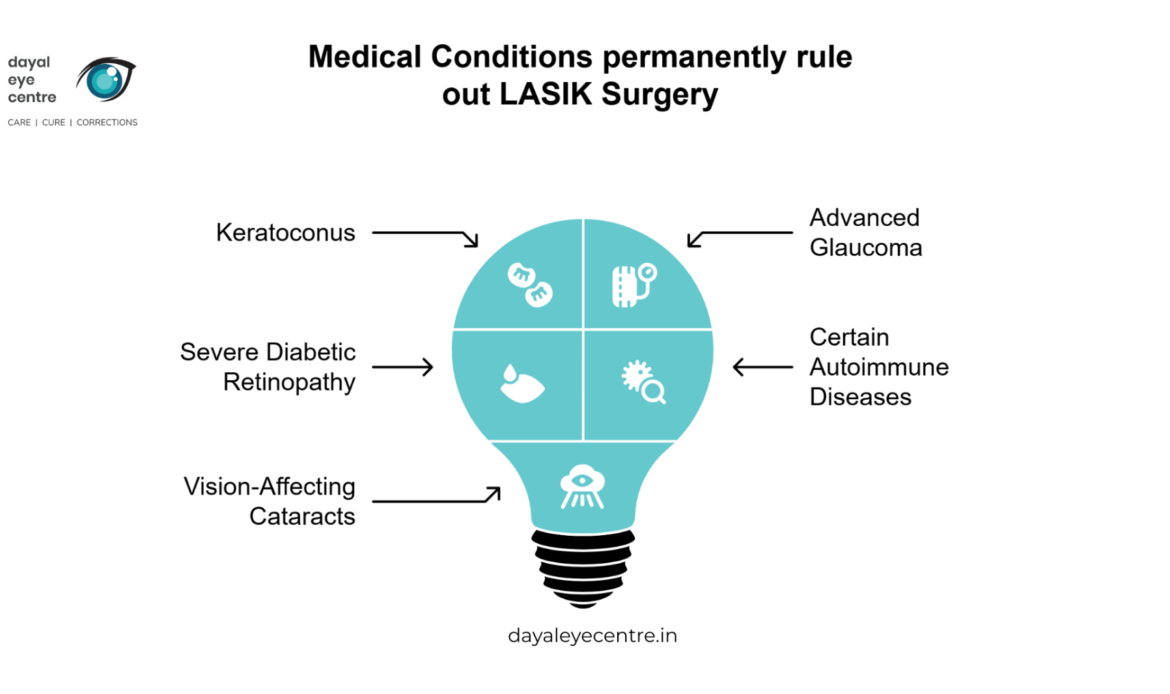
- Keratoconus
- Advanced glaucoma
- Severe diabetic retinopathy
- Certain autoimmune diseases
- Vision-affecting cataracts
Certain medications affect eligibility too. Some acne treatments or immune system medications need stopping months before surgery. Your job matters as well – athletes, military personnel, or those in high-risk eye injury professions need special timing considerations.
Your eye doctor will evaluate:
- Medical history
- Eye measurements
- Vision prescription
- Corneal health
- Lifestyle needs
Remember, if LASIK isn’t right for you, other vision correction options exist. PRK, SMILE, or implantable lenses might better suit your needs. The key lies in finding the right solution for your specific situation.
Recovery and Aftercare
Think of LASIK recovery like healing a small scratch – your eye needs proper care and time to heal completely. Understanding what to expect helps you prepare for the healing journey ahead.
First 24 Hours After Surgery
Your eyes might feel irritated and watery right after surgery, much like having an eyelash in your eye. Your surgeon provides protective shields to prevent accidental eye rubbing during sleep.
During these first hours:
- Let your eyes rest frequently
- Stay away from screens and bright lights
- Keep your eyes free from water, soap, and makeup
- Follow medication instructions carefully
- Use protective shields while sleeping
About 80% of patients see clearly within 4 hours after surgery. Some blurriness is normal – like looking through a foggy window that gradually clears.
First Week of Healing
Your corneal flap forms its initial bonds during days 2-5, similar to how a cut forms new skin. Vision changes are normal during this time, affecting about 60% of patients. By day 5, roughly 85% of patients reach their target vision correction.
Recovery milestones:
- Most patients drive again by day 3
- Computer work becomes easier around day 4
- Light exercise starts after day 5 (keep sweat away from eyes)
- No swimming or contact sports for 2-4 weeks
Long-term Care Instructions
Following aftercare guidelines helps ensure the best results. Like following a prescription exactly as written, proper care reduces complications by 40%.
Using Your Eye Drops:
- Take prescribed drops as directed
- Use artificial tears for dryness
- Complete all antibiotic drops if prescribed
Daily Activities:
- Don’t rub your eyes for 1 month
- Wear sunglasses outside for 3-4 weeks
- Avoid eye makeup for 7-10 days
- Start gentle exercise after 1 week
- Wait 4 weeks for swimming
Follow-up Appointments: Your doctor checks healing at:
- 24-48 hours after surgery
- 1 week check
- 1 month visit
- 3-6 month review
- Yearly eye exams
Ongoing Eye Care:
- Use artificial tears when eyes feel dry
- Protect from UV with good sunglasses
- Keep eyes clean
- Tell your doctor about vision changes
- Get regular eye check-ups
Most patients achieve stable vision within 3-6 months. About 90% report complete satisfaction with their vision after full recovery. Remember, healing varies among patients – some recover faster, others need more time. The key lies in following your doctor’s instructions carefully.
Conclusion
LASIK surgery helps many patients achieve clearer vision without glasses or contact lenses. Our natural lens works like a camera lens – when reshaped properly through LASIK, it can provide sharp, clear vision. The procedure’s vision correction success shows in its 98.5% satisfaction rate, though careful consideration of benefits and risks remains important.
Talk with your eye doctor about whether LASIK surgery fits your vision needs. Like getting the right prescription for glasses, proper patient selection plays a crucial role in LASIK success. Your doctor evaluates your eye health, vision stability, and lifestyle factors to determine if LASIK will give you the results you seek.
Most patients achieve their desired vision correction within months after surgery. While some temporary side effects occur during healing, following your doctor’s aftercare instructions helps ensure optimal results. Book an appointment with our expert team to learn more about your vision correction options.
Think of LASIK as a long-term investment in your vision health. Modern LASIK technology allows surgeons to map your eye’s unique features and create precise treatment plans. Your journey to clearer vision starts with understanding your specific needs and working closely with qualified eye care professionals.
FAQs
1. How long does it take to recover from LASIK surgery?
Most patients experience significant vision improvement within 24 hours after surgery. However, complete recovery typically takes 3-6 months. During the first week, you may experience some sensitivity and vision fluctuations. By day 5, about 85% of patients achieve their target vision correction.
2. What are the most common side effects of LASIK?
The most common side effects include temporary dry eyes, visual disturbances like halos or glare, light sensitivity, and fluctuating vision. These effects usually subside within a few weeks to months after the procedure. Dry eyes, for instance, affect up to 95% of patients in the first month but generally improve over time.
3. Am I a good candidate for LASIK surgery?
Good candidates for LASIK are typically between 21 and 40 years old, have stable vision for at least 12 months, and have adequate corneal thickness. Certain medical conditions, like keratoconus or severe dry eye syndrome, may disqualify you. A comprehensive eye examination and consultation with a LASIK surgeon is the best way to determine your eligibility.
4. What is the success rate of LASIK surgery?
LASIK has a high success rate, with about 96% of patients achieving 20/20 vision post-surgery. The procedure also boasts a 98.5% patient satisfaction rate. However, it’s important to note that results can vary, and some patients may still need glasses for certain activities, particularly as they age.
5. What precautions should I take after LASIK surgery?
After LASIK, it’s crucial to avoid rubbing your eyes for at least a month, wear sunglasses outdoors for 3-4 weeks, and avoid swimming and contact sports for 2-4 weeks. Use prescribed eye drops as directed, attend all follow-up appointments, and report any vision changes promptly. Most patients can return to work within 24-48 hours, but should avoid eye makeup for 7-10 days.
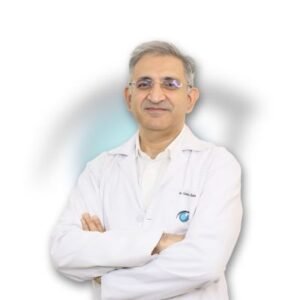
Director and Chief Ophthalmologist of Dayal Eye Centre, with more than two decades of experience and over 80,000 cataract surgeries — one of the most experienced eye surgeons in Gurgaon.