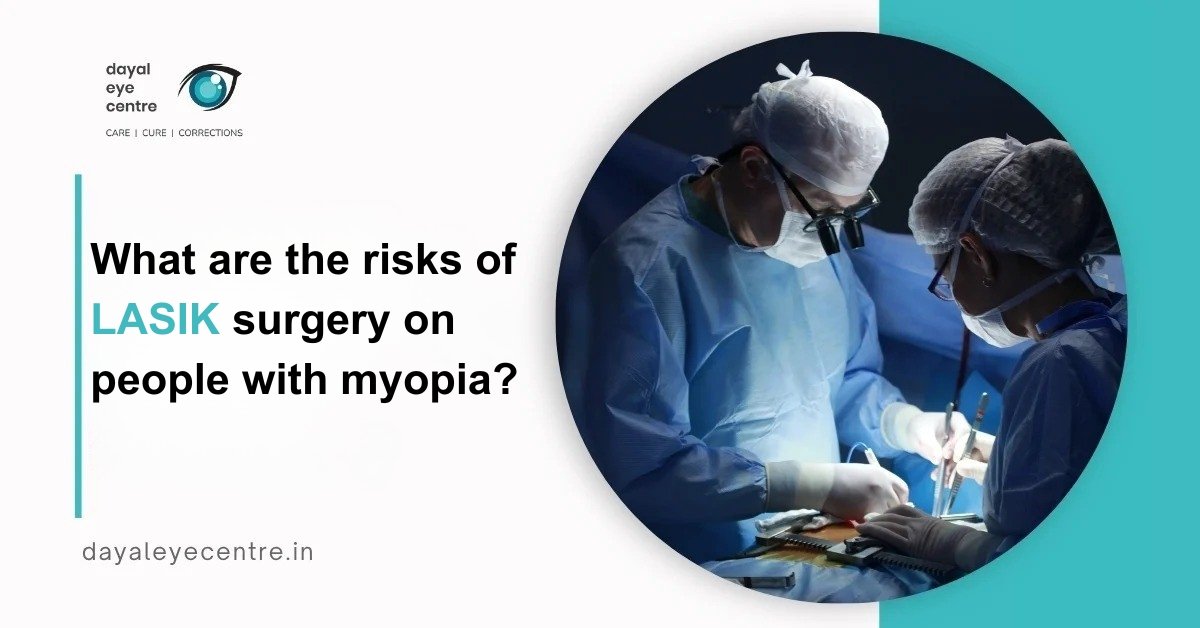
LASIK surgery successfully corrects myopia in 91% of patients within one year. Most patients achieve 20/20 vision or better after the procedure. However, like any eye surgery, LASIK surgery side effects need careful consideration before choosing this vision correction option. Some patients may eventually need glasses for specific activities like night driving or reading as they age.
The success rate varies significantly based on your degree of nearsightedness. Mild nearsightedness shows excellent outcomes with LASIK, while severe myopia cases face higher risks and less predictable results. Each eye costs approximately $2,200 for surgery. This significant investment requires thorough evaluation of potential complications, including temporary dry eyes and visual disturbances that might persist in some patients.
Talk with your eye doctor about whether LASIK suits your specific vision needs. Your doctor will evaluate your eye health, discuss potential risks based on your myopia level, and explain what to expect during recovery. This guide examines LASIK surgery risks for different levels of myopia, common side effects, and factors affecting surgical outcomes.
Understanding LASIK Surgery for Myopia
Our natural lens works like a camera lens, focusing light precisely on the retina. In people with myopia, their eyeball is slightly longer than normal, causing light rays to focus in front of the retina instead of directly on it. This misalignment makes distant objects appear blurry.
How LASIK corrects nearsightedness
LASIK surgery reshapes your cornea – the transparent, dome-shaped surface of your eye. The procedure begins when your surgeon creates a thin corneal flap using precise laser technology. Think of it like lifting a protective cover to access the underlying corneal tissue. The surgeon then uses an excimer laser to carefully reshape this tissue, adjusting how light bends as it enters your eye.
The actual laser treatment takes only a few seconds per eye, though timing varies based on your specific correction needs. After reshaping the cornea, your surgeon carefully repositions the flap, which naturally bonds back to the eye without stitches. This permanent change to your cornea’s shape helps restore normal or near-normal vision.
Who qualifies for myopia LASIK
To ensure the best possible outcomes, patients must meet specific requirements. You should be at least 18 years old, though early to mid-20s is preferred when eye maturity reaches its peak. Your vision prescription needs to remain stable for at least 12 months before surgery.
Key qualification factors include:
- Having thick and healthy corneas that can withstand the reshaping process
- Maintaining good overall eye health without conditions like severe dry eye syndrome or uncontrolled glaucoma
- Having myopia within the treatable range of 0.50 to -12.00 diopters
Some medical conditions may prevent you from having LASIK surgery:
- Autoimmune disorders that could affect healing
- Uncontrolled diabetes
- Active eye infections or injuries
Your pupil size plays a crucial role in determining eligibility. Most LASIK centers treat pupils up to 6.5mm in diameter, though advanced laser technology now enables treatment of pupils up to 8.5mm. We also carefully evaluate your tear film stability to assess your risk of post-LASIK dryness.
Before recommending surgery, your eye doctor will conduct detailed measurements and comprehensive health evaluations. This thorough screening helps determine the most appropriate treatment plan for your specific vision needs. Take time to discuss your expectations and concerns with your doctor during this evaluation.
Common Side Effects After Surgery
After LASIK surgery, nearly 95% of patients experience some form of side effects. Like any eye surgery, these effects typically improve as your eyes heal.
Temporary vision changes
Your vision will fluctuate during the initial healing period. Following surgery, you may notice blurred or hazy vision that changes throughout the day. This happens because your cornea needs time to stabilize after reshaping. Many patients also report seeing glares, halos around bright lights, or experiencing double vision, especially at night.
Light sensitivity becomes particularly noticeable in the first few weeks. Wearing protective sunglasses helps shield your eyes from harsh light exposure. While these visual disturbances usually resolve within days to weeks, some patients might experience them for several months.
Dry eye symptoms
Dry eye syndrome stands as the most common side effect, affecting almost all patients immediately after surgery. Watch for these primary symptoms:
- Decreased tear production
- Reduced corneal sensitivity
- Diminished vision sharpness
- Eye tiredness and irritation
About 50% of patients experience dry eyes one week after surgery, dropping to 40% after a month. This number further decreases to 20-40% by the six-month mark. For most people, these symptoms peak within the first few months, followed by steady improvement.
Recovery timeline
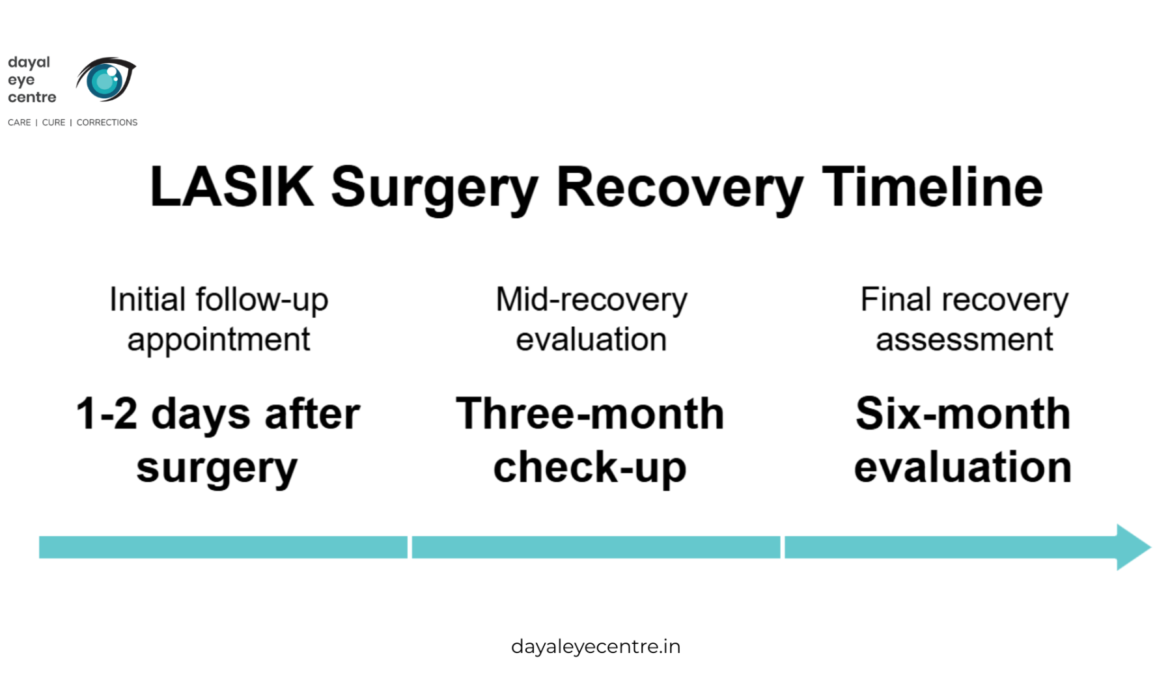
Your healing journey begins immediately after surgery. Vision improvement starts within 24 hours, though complete healing and vision stabilization typically takes 2-3 months.
Your doctor will schedule regular follow-up appointments:
- 1-2 days after surgery
- Three-month check-up
- Six-month evaluation
Important recovery guidelines: Avoid rubbing your eyes, as this might displace the corneal flap. Wait several weeks before resuming activities like swimming, contact sports, and using eye makeup. Keep artificial tears handy to manage dry eye symptoms effectively.
Serious Complications to Consider
Like any surgery, LASIK carries certain risks that need careful consideration. While these complications are rare, they can affect your long-term vision quality. Let’s examine what we know about these potential risks.
Vision-threatening risks
Infectious keratitis remains one of our main concerns after LASIK surgery. This infection occurs in about 0.005% to 0.034% of cases. Most infections develop within two weeks after surgery, usually from gram-positive bacteria. When infections appear several weeks later, we watch for unusual organisms like mycobacteria and fungi.
Another condition called diffuse lamellar keratitis (DLK), or “Sands of Sahara,” affects 0.13% to 18.9% of patients. This non-infectious inflammation typically appears within 24-48 hours after surgery. What causes DLK? Several factors increase the risk:
- Chemical toxins on surgical instruments
- High-energy femtosecond laser usage
- Large-diameter flap creation
- Meibomian gland secretions
Corneal damage possibilities
Think of your cornea like the clear window of your eye. Sometimes after LASIK, a condition called corneal ectasia can develop, where this window becomes progressively thinner and weaker. This might happen anywhere from a few months to three years after surgery. You may face higher risk if you have:
- Pre-existing corneal abnormalities
- Young age
- Thin corneas
- High myopia requiring significant correction
Epithelial ingrowth presents another challenge, occurring in 1% to 20% of cases. This happens when surface cells grow under the corneal flap weeks to months after surgery, potentially causing inflammation, scarring, and decreased vision. The good news? Using femtosecond laser-created flaps significantly reduces this risk compared to manual techniques.
Pressure-induced stromal keratitis (PISK) needs prompt attention if it develops. This inflammatory reaction from surgical instruments can damage your corneal tissue. Watch for symptoms like severe eye pain, blurred vision, and increased light sensitivity.
Do you have an autoimmune disorder, weakened immune system, or conditions like keratoconus? These conditions may increase your surgical risks. Such underlying health issues can affect healing and potentially lead to more serious complications. Talk with your eye doctor about whether these factors might affect your LASIK outcome.
Risk Factors Based on Myopia Level
Your LASIK surgery outcomes depend significantly on your degree of myopia. Let’s examine how different levels of nearsightedness affect your vision correction options.
Mild myopia risks (-1 to -3)
We see excellent results in patients with mild myopia. When treating powers less than -3D, about 89.4% of eyes achieve vision within 0.50 diopters of the intended correction. These results remain stable – 94.2% maintain 20/20 vision or better even seven years after surgery.
Are you a younger patient with mild myopia? Consider your options carefully. Your natural myopia might actually help with near vision after age 40. Having LASIK now could mean needing reading glasses later in life.
Moderate myopia risks (-3 to -6)
For moderate myopia (-3D to -6D), our success rates remain consistently high. Studies show 90.4% of patients achieve vision within 1.00 diopter of their target correction. However, some patients experience gradual vision changes, averaging -0.74 diopters over 12 years.
High myopia risks (above -6)
High myopia cases face greater challenges. Think of it like this: the higher your prescription, the more complex your treatment becomes. Patients with myopia above -10D show yearly regression rates of -0.25 diopters. In extreme cases (-12.96D), vision can shift by -1.14 diopters after 11 years.
Watch for these primary concerns with high myopia:
- Increased risk of corneal ectasia
- More frequent glare and halos, especially at night
- Higher likelihood of needing enhancement procedures
- Possible under-correction
Your corneal thickness plays a vital role in determining surgical success. Indian patients typically have thinner corneas (400-500 microns) compared to Western populations (600 microns). Each diopter correction reduces corneal thickness by 35 microns. To prevent complications, we must maintain at least 300 microns of thickness after surgery.
The good news? When we carefully screen patients and address existing conditions like dry eyes before surgery, complication rates stay below 1% across all myopia levels.
Conclusion
LASIK surgery helps many people with myopia achieve better vision without glasses. For mild to moderate myopia (-1 to -6 diopters), about 90% of patients reach their target vision correction. However, high myopia cases need more careful consideration due to higher regression rates and increased complications.
Talk with your eye doctor about whether LASIK suits your vision needs. Most side effects like dry eyes and temporary vision changes improve within weeks or months, though serious complications can occur in some cases. Your success depends heavily on proper screening, thorough evaluation, and understanding what to expect from the procedure.
The experience and skill of your eye surgeon makes a significant difference in your outcome. Schedule a consultation with our experienced surgeons to evaluate your specific case. Remember, just as every person’s eyes are unique, each LASIK procedure requires careful planning based on your corneal thickness, overall eye health, and individual risk factors.
FAQs
1. How safe is LASIK surgery for people with myopia?
LASIK is generally safe for myopia, especially for mild to moderate cases. However, patients with high myopia (above -6 diopters) face higher risks, including increased chances of corneal ectasia and visual disturbances like glare and halos.
2. What are the most common side effects after LASIK surgery?
The most common side effects include temporary dry eyes, fluctuating vision, light sensitivity, and visual disturbances like glare or halos around lights. These effects typically improve within a few weeks to months after surgery.
3. Can myopia worsen after LASIK surgery?
Some patients may experience a gradual regression of myopia over time, particularly those with high myopia. The regression rate increases with higher prescriptions, with extreme myopia cases potentially experiencing more significant changes over the years.
4. How long does it take to recover from LASIK surgery?
While initial vision improvement begins within 24 hours, complete healing and vision stabilization typically takes 2-3 months. Most patients can resume normal activities within a few days, but full recovery may take several months.
5. Are there any long-term risks associated with LASIK for myopia correction?
Long-term risks, though rare, can include persistent dry eyes, night vision problems, and the potential need for enhancement procedures. In some cases, patients may eventually need reading glasses as they age, especially those who had mild myopia corrected.