

Refractive errors rank among the most common vision problems worldwide, affecting people of all ages and often first appearing during childhood. According to recent studies, astigmatism leads as the most prevalent refractive error globally, followed by farsightedness and nearsightedness.
We encounter these vision problems through various forms, including myopia (nearsightedness), hyperopia (farsightedness), presbyopia (age-related farsightedness), and astigmatism. These conditions can significantly impact daily activities, causing symptoms like blurry vision, headaches, and eye strain, which affect everything from academic performance to safe driving.
In this comprehensive guide, we’ll explore the different types of refractive errors, their causes, and available treatment options. Whether you’re dealing with vision problems yourself or seeking information for a family member, you’ll learn about essential eye care practices and when to seek professional help.
Understanding Refractive Errors
Vision begins with a remarkable process where our eyes and brain work together to interpret the world around us. To fully grasp how refractive errors affect our sight, let’s first understand how normal vision functions.
What happens in normal vision
Our eyes process visual information through a sophisticated five-step journey. Initially, light reflects off objects and enters through the cornea – the clear, dome-shaped front surface of the eye. The cornea serves as the first focusing element, bending incoming light rays before they pass through a watery substance called the aqueous humor.
Subsequently, light travels through the pupil, which adjusts its size based on light intensity. The iris, which gives our eyes their distinctive color, controls these pupil adjustments through muscle contractions and expansions. The lens behind the pupil then performs a second focusing action, changing its shape to ensure clear image formation.
After passing through the lens, light moves through a clear, jelly-like substance called the vitreous humor before reaching the retina – a light-sensitive layer at the back of the eye. The retina contains specialized cells called photoreceptors, which convert light into electrical signals. These signals then travel through the optic nerve to the brain’s visual cortex, where they’re interpreted into the images we see.
How refractive errors disrupt vision
Refractive errors occur primarily because of irregularities in how light focuses on the retina. These vision problems develop through various mechanisms that interfere with normal light focusing.
The World Health Organization reports that approximately 800 million people worldwide have near vision impairment that could be corrected with reading glasses. Furthermore, only 36% of individuals with distance vision impairment due to refractive errors have received access to spectacles.
Here’s how different refractive errors affect vision:
- Shape Abnormalities: Refractive errors stem from irregularities in either:
- The eye’s overall shape
- Corneal curvature
- Lens structure
- Focus Point Disruption: Instead of light focusing precisely on the retina, it may focus:
- In front of the retina (causing nearsightedness)
- Behind the retina (causing farsightedness)
- At multiple points (causing astigmatism)
The economic impact of uncorrected refractive errors is substantial. Annual global productivity losses associated with uncorrected myopia in adults amount to US$20,588.83 billion, while presbyopia-related losses reach US$2,143.26 billion. Nevertheless, addressing these vision problems through proper correction could yield a positive economic impact exceeding US$21,095.11 billion annually.
Most notably, refractive errors differ from other common eye conditions like cataracts and glaucoma, which typically develop later in life. These vision problems often emerge during childhood and can affect an individual’s activities throughout their lifetime. Moreover, studies indicate that even very low refractive errors, previously considered insignificant, can impact quality of life – individuals with just 0.5 diopters of myopia may struggle with activities like night driving or reading TV subtitles.
The good news is that most refractive errors can be fully corrected once diagnosed. The challenge lies in recognizing these vision problems early and providing appropriate correction to prevent visual impairment that could limit educational, vocational, and social opportunities.
Common Types of Refractive Errors
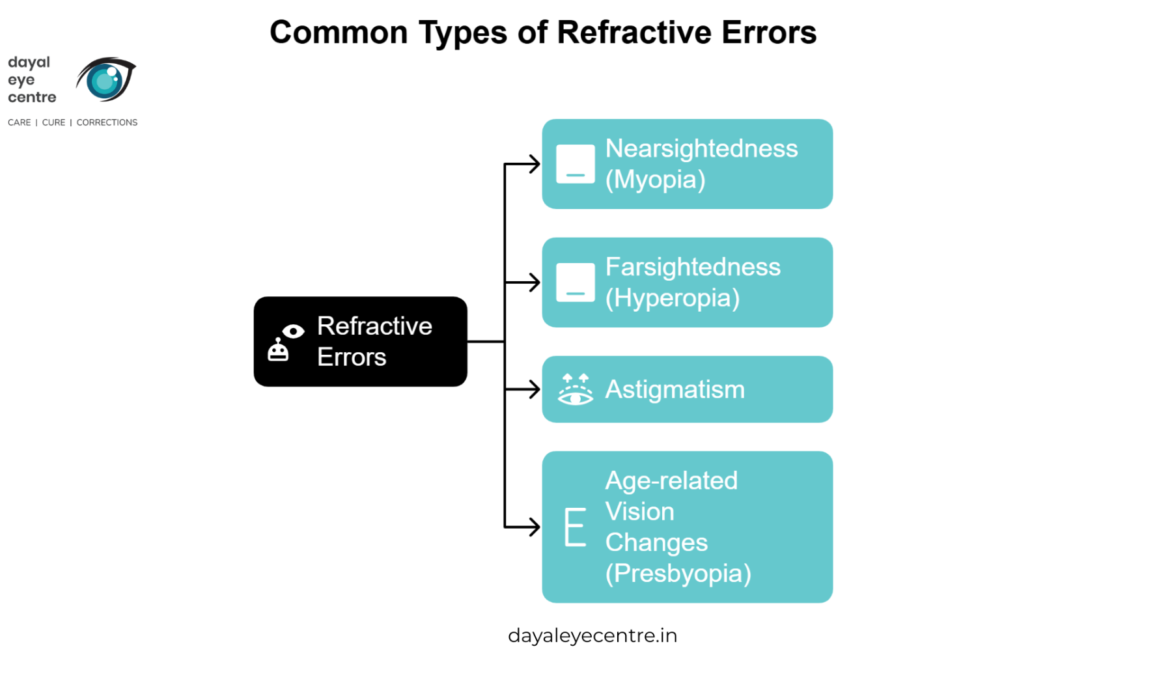
Four primary types of refractive errors affect human vision, each with distinct characteristics and impacts on daily life. Let’s explore how these vision problems manifest and affect our ability to see clearly.
Nearsightedness (Myopia)
Myopia makes distant objects appear blurry although close objects remain clear. This common condition typically develops between ages 6 and 14. Essentially, myopia occurs when the eyeball grows too long from front to back, causing light to focus in front of the retina rather than directly on it.
Studies indicate that more than 40% of people in the United States experience nearsightedness. Children who spend considerable time on screens face higher risks – smartphone use alone increases myopia risk by 30%, and when combined with extensive computer use, that risk escalates to 80%.
Interestingly, children who spend more time outdoors show lower likelihood of developing myopia, though researchers haven’t fully understood why. However, severe nearsightedness, also known as high myopia, requires special attention as it may increase risks of other eye conditions, particularly retinal detachment.
Farsightedness (Hyperopia)
Farsightedness presents an opposite challenge, making nearby objects appear blurry while distant vision remains relatively clear. Most people with hyperopia are born with this condition. The primary cause stems from having an eyeball that’s too short from front to back, or issues with corneal curvature.
Globally, hyperopia affects approximately 4.6% of children and 30.9% of adults. People with severe hyperopia might experience blurred vision at all distances, alongside symptoms like headaches and eye strain after close work.
Astigmatism
Astigmatism stands unique among refractive errors, affecting roughly one in three people. This condition occurs when the cornea or lens has an irregular shape, resembling more of a football than the normal round shape. Consequently, light bends differently as it enters the eye, causing both near and distant objects to appear blurry or distorted.
Although some people develop astigmatism as adults, many are born with it. Additionally, individuals with astigmatism often experience another refractive error simultaneously, such as nearsightedness or farsightedness, which can complicate their vision needs.
Age-related vision changes (Presbyopia)
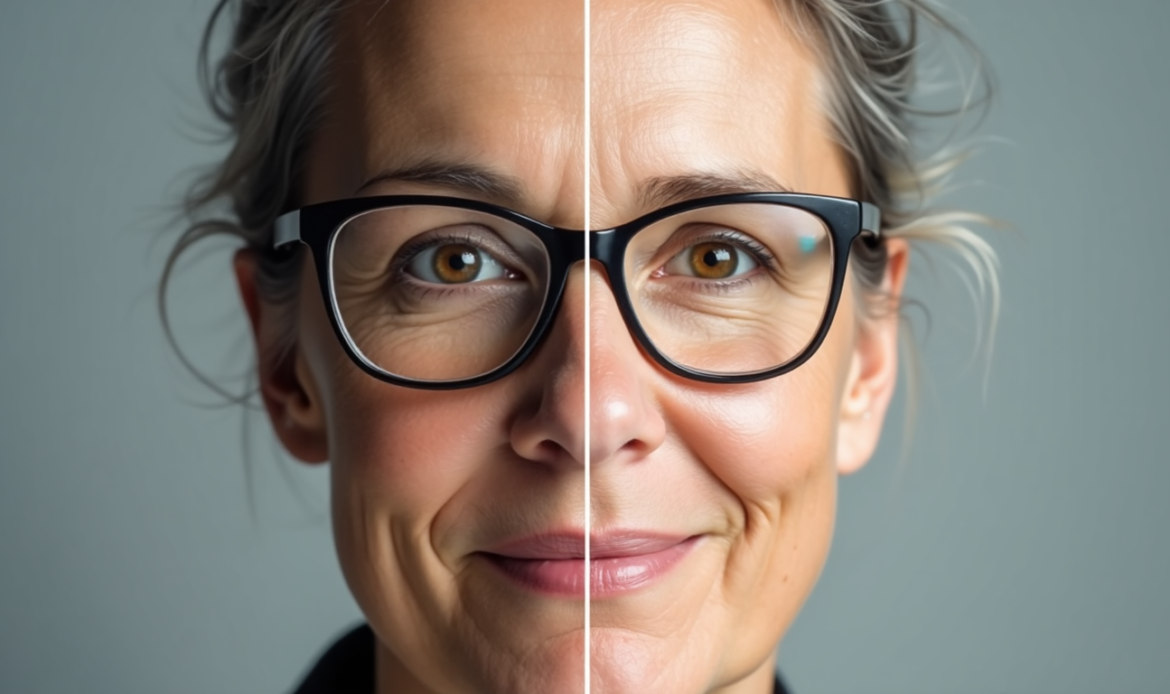
Presbyopia emerges as a natural part of aging, typically beginning around age 40 and progressing until the mid-60s. This condition develops when the eye’s lens becomes less flexible, making it increasingly difficult to focus on close objects.
The condition affects everyone eventually, even those who’ve had perfect vision throughout their lives. Symptoms typically include:
- Difficulty reading small print
- Needing to hold reading materials at arm’s length
- Experiencing headaches or eye strain during close-up tasks
- Requiring brighter lighting for near vision activities
Healthcare providers consider presbyopia a natural part of aging rather than a disease. Notably, certain medications and medical conditions can trigger premature presbyopia in individuals younger than 40, particularly those with diabetes, multiple sclerosis, or cardiovascular disease.
Each of these refractive errors presents unique challenges, yet all share one crucial characteristic – they’re highly manageable with proper diagnosis and treatment. Regular eye examinations play a vital role in identifying these conditions early, allowing for timely intervention and preventing potential complications that might arise from delayed treatment.
Key Warning Signs to Watch For
Recognizing the warning signs of refractive errors early helps prevent vision-related complications and ensures timely treatment. These indicators often appear gradually, making them easy to overlook or dismiss.
Physical symptoms
The body often sends clear signals when vision problems develop. Frequent headaches rank among the most common physical manifestations of refractive errors, especially after prolonged reading or screen time. These headaches typically result from excessive strain on the eye muscles as they attempt to compensate for vision irregularities.
Eye strain presents itself through various physical discomforts. Many individuals experience soreness or fatigue in their eyes, alongside persistent irritation or itching. The eyes might feel unusually dry, accompanied by a gritty sensation or excessive tearing.
Children exhibit distinct physical symptoms that parents should monitor carefully. Regular eye rubbing, frequent blinking, and tilting the head while looking at objects serve as crucial indicators. Additionally, if a child holds books or devices unusually close to their face, this behavior warrants attention from an eye care professional.
Prolonged exposure to uncorrected refractive errors often leads to:
- Persistent eye discomfort
- Neck and shoulder tension
- Excessive squinting or frowning
- Unusual sensitivity to bright lights
Vision-related symptoms
The primary indicator of refractive errors manifests as blurred vision, which can affect either distant objects, nearby items, or both. This blurriness might fluctuate throughout the day, becoming more pronounced during specific activities or times.
Night vision difficulties merit special attention. Individuals might struggle to adjust when entering dark rooms or experience challenges while driving after sunset. Some people notice halos or glare around bright lights, particularly during nighttime activities.
Digital device usage often amplifies vision-related symptoms. Extended screen time can trigger:
- Double vision (diplopia)
- Difficulty maintaining focus
- Increased eye fatigue
- Temporary vision distortions
For school-age children, vision problems frequently impact academic performance. A sudden decline in grades or difficulty concentrating in class might indicate underlying refractive errors. Furthermore, children experiencing vision problems often avoid reading or close-up activities, which can affect their learning progress.
Certain warning signs demand immediate medical attention. These include:
- Sudden changes in vision clarity
- Unexpected appearance of blind spots
- Distorted perception of straight lines
- Significant peripheral vision loss
Occupational performance can also signal vision problems. Workers might notice decreased productivity, especially in tasks requiring precise visual focus or extended computer use. Similarly, athletes might experience difficulties judging distances or tracking moving objects during sports activities.
Social interactions sometimes suffer due to uncorrected refractive errors. People might find themselves struggling to recognize faces from a distance or feeling uncomfortable in social situations due to vision-related challenges. Moreover, untreated vision problems can affect self-esteem and overall well-being.
Most critically, uncorrected refractive errors can increase risks beyond immediate vision problems. Studies indicate higher chances of accidents while driving or operating machinery when vision issues remain unaddressed. Additionally, prolonged neglect of refractive errors might lead to more serious complications, including increased risks of retinal detachment, glaucoma, or myopic macular degeneration.
What Causes Vision Problems
The underlying causes of refractive errors stem from complex interactions between physical eye characteristics, genetic predispositions, and natural aging processes. Understanding these factors helps explain why vision problems develop and how they might progress over time.
Eye shape factors
The physical structure of our eyes plays a fundamental role in determining vision quality. When light enters the eye, structural irregularities can prevent proper focusing on the retina. These irregularities manifest in several ways:
For individuals with nearsightedness, the eyeball grows excessively long from front to back, or the cornea develops too much curvature. In contrast, farsightedness occurs when the eye grows too short from front to back, or the cornea appears flatter than normal.
Studies reveal that 77.1% of eyes naturally maintain an oblate shape, yet this pattern shifts among people with vision problems. Specifically, 47.4% of myopic eyes exhibit a prolate shape, compared to only 3.9% of hyperopic eyes. This prolate configuration might increase the risk of continued eye growth, as it exposes a larger retinal surface area to focusing issues.
Research indicates that posterior segment length shows the strongest connection to refractive errors, alongside increases in eye height and width correlating with higher degrees of myopia. Remarkably, in cases of severe myopia, axial length increases by a factor of 3 compared to eye width, and by 1.5 relative to eye height.
Genetic influences
Heredity emerges as a crucial factor in vision problems, with approximately one-third of all human diseases affecting the eyes. Scientists have identified roughly 4,000 diseases and syndromes impacting human health, with an astonishing one-third involving vision.
Family history substantially influences the development of refractive errors:
- Myopia often runs in families, with genetic predisposition combining with environmental factors like prolonged screen time to determine severity
- Hyperopia typically passes down through generations as an inherited trait
- Astigmatism shows strong genetic links, although injuries can trigger its development
Recent advances in genetic research have mapped numerous genes affecting vision health. This knowledge proves invaluable for early diagnosis through genetic testing, enabling healthcare providers to develop targeted treatment plans. Furthermore, understanding genetic factors helps identify family members who might face similar risks.
Age-related changes
As we mature, our eyes undergo natural modifications that can affect vision clarity. After age 40, several age-related changes become apparent:
The eye’s lens gradually loses flexibility, leading to presbyopia and difficulties with near vision. Alongside this change, tear production typically decreases, resulting in dry eyes that can impact vision quality.
Physical alterations in aging eyes include:
- Reduced ability to focus on close objects, requiring brighter lighting for reading
- Increased difficulty distinguishing between certain color shades
- Greater sensitivity to glare, particularly while driving
- Changes in tear production, affecting overall eye comfort
For middle-aged adults, these vision changes progress steadily. Many notice they must hold reading materials farther away or remove their glasses for close-up tasks. Print materials might appear increasingly blurry, primarily under dim lighting conditions.
Certainly, aging impacts everyone’s vision differently, yet certain patterns remain consistent across populations. The lens inside the eye may begin to discolor, affecting color perception and overall visual clarity. Moreover, light entering the eye scatters differently with age, creating increased sensitivity to glare and affecting night vision.
Treatment Options Available Today
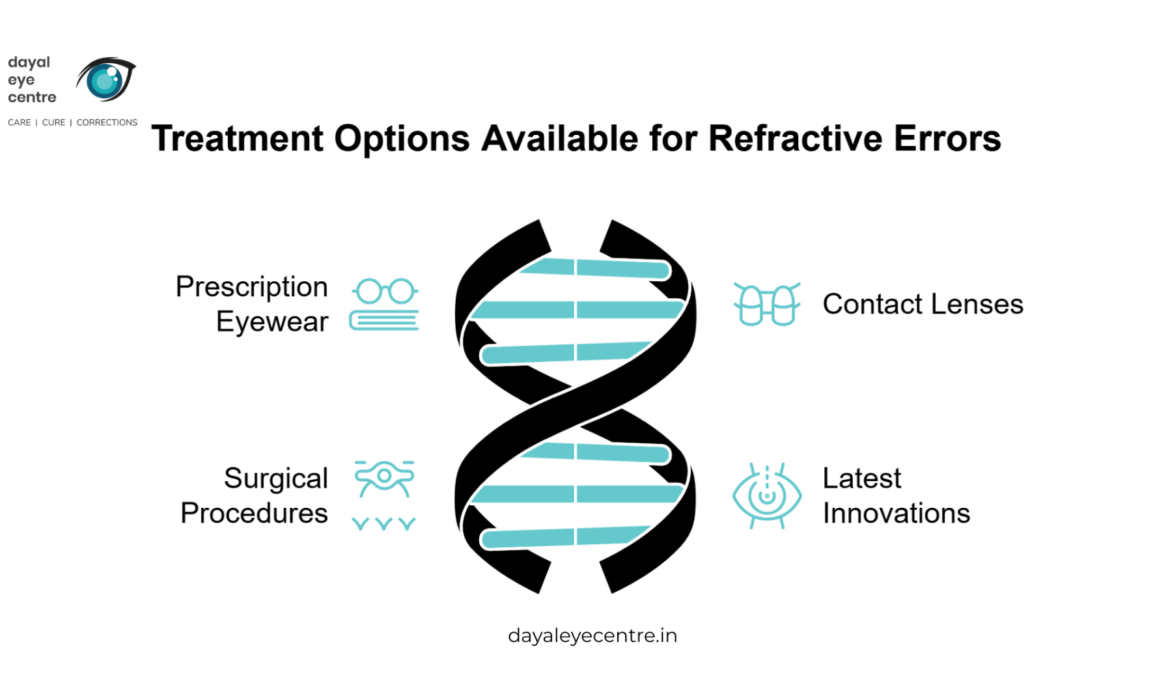
Modern medicine offers multiple solutions for correcting refractive errors, ranging from traditional eyeglasses to advanced surgical procedures. Each option comes with unique benefits, making it crucial to understand available choices for informed decision-making.
Prescription eyewear solutions
Eyeglasses remain the safest and simplest method for vision correction. Single vision prescription lenses address either near or distance vision, whereas multifocal lenses correct both. For individuals dealing with presbyopia alongside nearsightedness, bifocals offer dual correction zones – the bottom portion for near vision and top for distance viewing.
Progressive lenses present a modern alternative to traditional bifocals, eliminating visible lines between correction zones. These lenses provide smooth transitions from distance to intermediate to near vision, offering a more natural visual experience.
Contact lens options
Contact lenses serve as an excellent alternative for those seeking a glasses-free lifestyle. Two primary categories exist – soft and rigid gas permeable (RGP) lenses. Soft contacts, preferred by most users, offer immediate comfort and easy adaptation. RGP lenses, despite requiring longer adjustment periods, excel in correcting astigmatism and providing sharper vision.
Based on replacement schedules, contact lenses come in several varieties:
- Daily disposables – fresh pair each day
- Weekly disposables – replaced every 1-6 days
- Planned replacement – changed every two weeks or monthly
Extended wear contacts allow overnight use, with some FDA-approved varieties suitable for up to 30 days of continuous wear. Nevertheless, these require careful monitoring and regular professional care to prevent complications.
Surgical procedures
Laser-assisted procedures dominate modern refractive surgery. LASIK (Laser-assisted in situ keratomileusis) stands as the most prevalent option. During LASIK, surgeons create a thin corneal flap, use laser technology to reshape the cornea, then replace the flap. Most patients achieve vision clear enough to eliminate dependence on corrective eyewear for distance activities.
Recent advancements include wavefront-guided LASIK, which creates detailed 3D eye mapping for more precise corrections. This technology enhances visual outcomes by addressing subtle corneal irregularities.
SMILE (Small Incision Lenticule Extraction) emerges as a newer alternative, treating nearsightedness through smaller incisions than traditional LASIK. This minimally invasive approach preserves corneal biomechanics better and typically results in faster recovery times.
Latest treatment innovations
Contemporary vision correction encompasses groundbreaking technologies. Implantable Collamer Lenses (ICLs) offer an alternative for individuals unsuitable for laser procedures. These lenses, particularly beneficial for those with high refractive errors or thin corneas, demonstrate impressive safety and long-term stability.
Light Adjustable Intraocular Lenses represent a remarkable advancement, allowing post-surgery customization. Through exposure to specific wavelengths of light, surgeons can fine-tune these lenses after implantation, ensuring optimal vision correction.
Topography-guided treatments mark yet another milestone in refractive surgery. By incorporating high-resolution corneal mapping, these procedures deliver more precise corrections while minimizing tissue removal. This advancement proves particularly valuable for patients with irregular corneal surfaces or those seeking enhancement after previous procedures.
Living With Refractive Errors
Managing daily life with refractive errors requires a combination of proper eye care, regular check-ups, and lifestyle adjustments. Through straightforward strategies and timely professional intervention, individuals can maintain clear vision and prevent complications.
Daily management tips
Protecting eyes from harmful UV rays stands as a fundamental practice for maintaining eye health. Sunglasses offer complete UVA and UVB protection shield eyes from potential damage . For enhanced protection outdoors, wide-brimmed hats provide additional coverage against sun exposure.
Digital device usage demands special attention in today’s screen-dominated environment. Following the 20-20-20 rule proves effective – taking a 20-second break every 20 minutes to look at something 20 feet away helps reduce eye strain . Proper lighting and screen positioning further minimize visual fatigue.
A balanced diet rich in vitamins A, C, and E supports optimal eye function. Foods like:
- Carrots and leafy greens
- Fish high in omega-3 fatty acids
- Citrus fruits and berries
- Nuts and seeds
Beyond dietary considerations, staying hydrated plays a crucial role in maintaining eye moisture levels. Proper hydration prevents dryness and irritation, alongside supporting overall eye health through toxin removal .
Regular exercise benefits vision health by improving blood circulation throughout the body, including the eyes . Physical activity likewise helps manage chronic conditions like diabetes and high blood pressure, which can impact vision quality when left uncontrolled .
For individuals using corrective eyewear, keeping prescriptions current remains vital. Even minor changes in vision can cause unnecessary strain and discomfort. Proper cleaning and maintenance of glasses or contact lenses ensures optimal vision correction and prevents potential complications .
When to seek help
Understanding timing for professional intervention proves crucial. Adults under 40 should schedule comprehensive eye exams every five to ten years, while those between 40 and 54 need check-ups every two to four years. After age 55, examinations become more frequent, recommended every one to three years .
Immediate medical attention becomes necessary under specific circumstances:
- Sudden vision loss
- Severe eye pain
- New flashes or floaters in vision
Parents should stay vigilant for signs of vision problems in children. Warning signals include:
- Sudden increases in squinting
- Frequent headaches
- Declining academic performance
For individuals with diabetes, more frequent eye examinations become essential . Regular monitoring helps detect potential complications early, enabling prompt intervention and preventing vision deterioration .
Changes in vision quality, even subtle ones, warrant professional evaluation. Symptoms like blurred vision, headaches, or eye strain might indicate prescription updates or underlying conditions requiring attention. Furthermore, some eye diseases progress without noticeable symptoms, making regular check-ups invaluable for early detection .
Occupational demands might necessitate additional eye care considerations. Those spending extended periods on computers or performing detailed work should discuss specific vision needs with their eye care provider . Similarly, individuals operating machinery or driving professionally might require specialized vision solutions to ensure safety and optimal performance.
Through proactive management and timely professional care, individuals with refractive errors can maintain clear vision and prevent potential complications. Regular eye examinations, proper nutrition, and lifestyle adjustments form the foundation for long-term eye health and optimal visual function.
Conclusion
Refractive errors significantly impact daily life, yet modern medicine offers numerous effective solutions. Understanding these vision problems helps people make informed decisions about their eye health. Regular eye examinations remain crucial since early detection leads to better outcomes.
Most refractive errors respond well to treatment, whether through traditional eyewear, contact lenses, or advanced surgical procedures. Each option suits different lifestyles and needs, making clear vision achievable for almost everyone. Schedule an appointment with our eye care specialists to discuss which solution best fits your situation.
Remember that maintaining good vision requires ongoing attention. Simple daily habits like proper screen breaks, UV protection, and a healthy diet support long-term eye health. Combined with professional care, these practices help ensure clear vision throughout life.
FAQs
1. What are the main types of refractive errors?
The four primary types of refractive errors are myopia (nearsightedness), hyperopia (farsightedness), astigmatism, and presbyopia (age-related farsightedness). Each affects vision differently, with myopia causing difficulty seeing distant objects, hyperopia affecting near vision, astigmatism distorting both near and far vision, and presbyopia impacting near vision as we age.
2. How common are refractive errors?
Refractive errors are extremely common worldwide. For instance, more than 40% of people in the United States experience nearsightedness. Globally, astigmatism is the most prevalent refractive error, followed by farsightedness and nearsightedness. Additionally, presbyopia affects nearly everyone as they age, typically beginning around 40 years old.
3. What are some warning signs of refractive errors?
Common warning signs include frequent headaches, eye strain, blurred vision, difficulty seeing objects at certain distances, squinting, and holding reading materials at arm’s length. In children, signs may include excessive eye rubbing, frequent blinking, tilting the head while looking at objects, or a sudden decline in academic performance.
4. Can refractive errors be corrected?
Yes, most refractive errors can be fully corrected once diagnosed. Treatment options include prescription eyeglasses, contact lenses, and surgical procedures like LASIK. The choice of treatment depends on the type and severity of the refractive error, as well as individual preferences and lifestyle factors.
5. How often should I have my eyes checked for refractive errors?
The frequency of eye exams depends on age and existing vision issues. Adults under 40 should have comprehensive eye exams every 5-10 years, those between 40-54 every 2-4 years, and individuals 55 and older every 1-3 years. However, if you notice any changes in your vision or experience symptoms, it’s important to seek professional help promptly.

Director and Chief Ophthalmologist of Dayal Eye Centre, with more than two decades of experience and over 80,000 cataract surgeries — one of the most experienced eye surgeons in Gurgaon.