Your retina works like a film processor – a thin layer of light-sensitive nerve tissue that lines the back of your eye. It functions just like film in a camera. The retina captures incoming light and turns it into electrical signals that your brain interprets as images.
What does the retina do?
Light enters your eye through the cornea and travels through your pupil and lens to reach the retina. Your retina’s specialized photoreceptor cells change light into neural signals. These signals move to your brain through the optic nerve. Your retina has about 6 million cones that handle daylight and color vision, among over 100 million rods that manage dim-light vision.
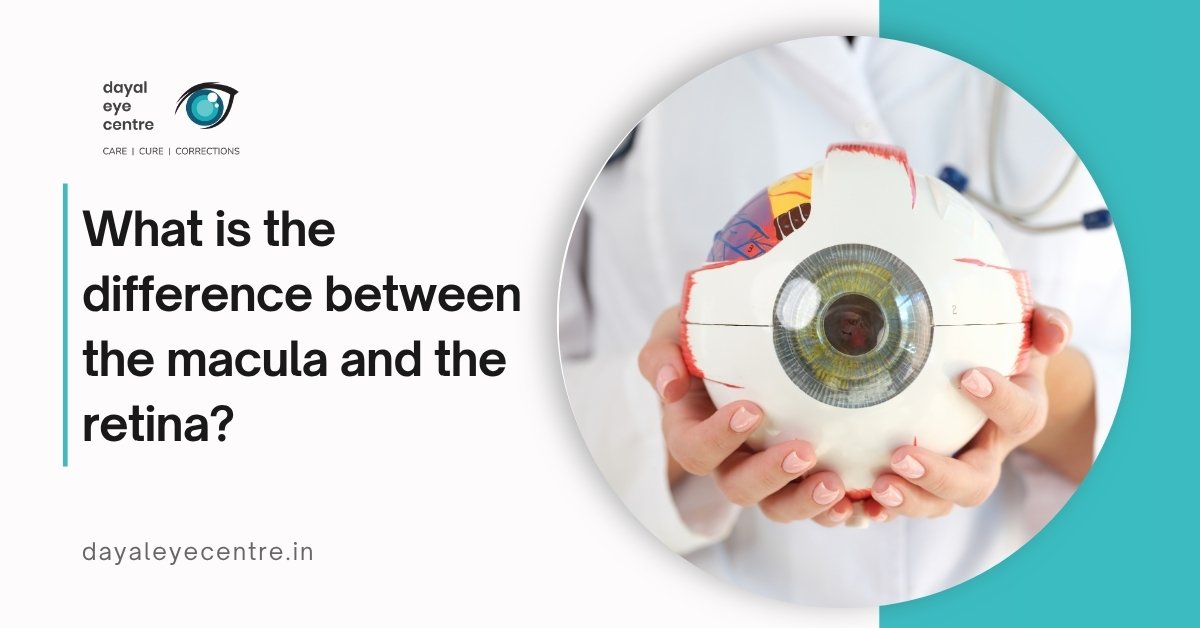
Your retina’s center contains the macula. This small but powerful area gives you sharp, central vision you need to read, drive, and recognize faces. The macula provides your highest visual acuity. The rods scattered throughout the rest of your retina help you see things from the corner of your eye.
Why retinal health matters
A damaged retina stops your brain from getting proper visual information Retinal diseases are among the leading causes of blindness worldwide. These diseases often develop silently until they cause major damage. Many retinal conditions get worse slowly. Regular eye exams are a great way to get early detection and prevent vision loss.
Research shows that eating foods rich in lutein and zeaxanthin can boost your macula’s pigment density. These nutrients also lower the risk of diabetic retinopathy in adults. Your lifestyle choices play a vital role in protecting your vision long-term.
Common retinal diseases to know
Your retina can be affected by several conditions that might lead to vision loss:
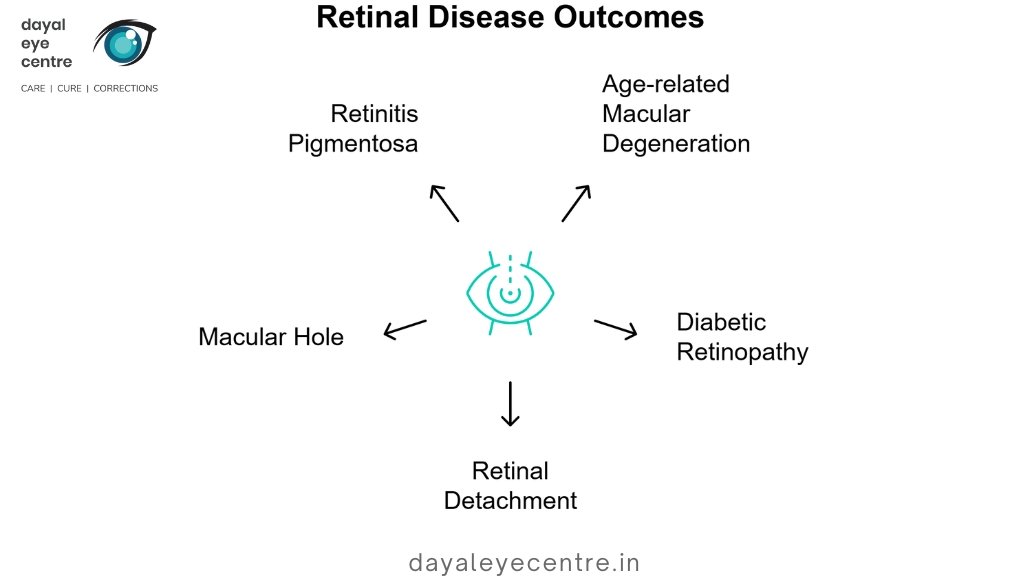
- Age-related macular degeneration (AMD) – This condition damages the macula and makes it hard to see fine details
- Diabetic retinopathy – A diabetes complication that damages your retina’s blood vessels
- Retinal detachment – A medical emergency where your retina separates from supporting tissue
- Macular hole – A small break in the macula that usually affects people over 60
- Retinitis pigmentosa – The most common inherited retinal disease affects 1 in 5,000 people worldwide
Your vision depends on spotting weak retina symptoms early and learning natural ways to prevent retinal detachment.
Recognize Early Signs and Symptoms
Your vision depends on catching retinal problems early. Many people don’t realize that retinal conditions can develop without any pain or discomfort. You need to pay attention to subtle changes in your vision.
Weak retina symptoms to watch for
The first signs of retinal problems might seem minor. You should look out for eye floaters – those small specks or cobwebs that drift across your vision. A few floaters are normal, but a sudden increase might signal trouble. Blurred vision that comes on slowly or suddenly in one or both eyes could point to conditions like macular degeneration or diabetic retinopathy.
Your vision might show other warning signs. Straight lines might appear wavy because of fluid buildup in the retina. You might struggle to see at night, have trouble telling colors apart, or notice changes in your central or side vision.
How to identify retina problems symptoms
You can spot potential retinal issues by watching for specific changes in your vision. A dark shadow or “curtain” in your side or central vision might mean retinal detachment. Unexpected flashes of light could signal that something is pulling on your retina.
You might notice objects looking bent or wavy, especially straight lines like doorframes or telephone poles. Poor night vision, light sensitivity, or trouble adjusting between bright and dark spaces could also point to retinal disorders.

When to seek medical help
Some symptoms need a doctor’s attention right away. Get help immediately if you notice:
- More floaters than usual along with flashes of light
- A shadow or curtain-like effect moving across your vision
- Sudden vision loss or unexpected visual changes
Note that retinal detachment needs emergency care even though it doesn’t hurt. Without quick treatment, you could lose your vision permanently within days. People with higher risk factors need regular eye checkups – this includes anyone who’s nearsighted, has had eye surgery, or has family members with retinal detachment.
Adopt Healthy Lifestyle Habits
Simple lifestyle changes can protect your retinal health. Daily choices make a big difference, and I’ll show you natural ways to keep your retinas healthy.
Eat foods rich in antioxidants and omega-3s
Your diet plays a direct role in your retina’s health. Dark leafy greens like kale, spinach, and collard greens are packed with lutein and zeaxanthin that can lower your risk of age-related macular degeneration (AMD). People who eat more omega-3 fatty acids have shown a 30% lower risk of macular degeneration in the last 12 years.
The best foods to protect your retinas are:
- Fatty fish (salmon, mackerel, sardines) rich in DHA and EPA omega-3s
- Eggs containing lutein, zeaxanthin, vitamin E, and zinc
- Citrus fruits and berries high in vitamin C
- Nuts and seeds providing vitamin E and omega-3s
Exercise regularly to improve blood flow
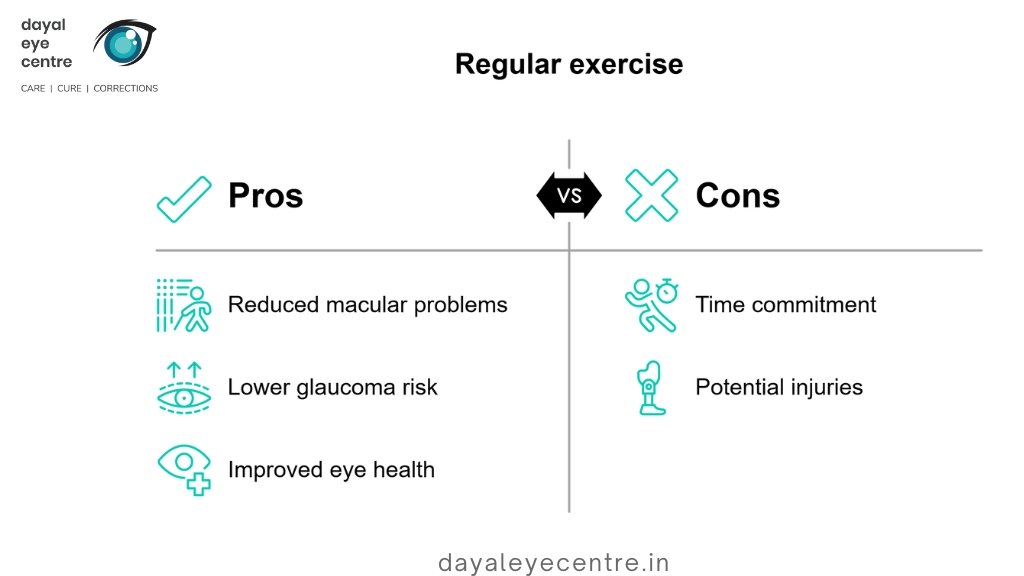
Research shows that regular walkers have fewer macular problems. Physical activity can lower your odds of developing glaucoma by 58% compared to a sedentary lifestyle. You should get at least 150 minutes of moderate exercise or 75 minutes of vigorous exercise weekly.
Quit smoking and limit alcohol
Smoking substantially raises your odds of AMD. Current and former smokers lose more vision as time passes. Heavy drinking increases your risk of cataracts, potential blindness, and can speed up age-related macular degeneration. Moderate drinking – up to one drink daily for women and two for men – is much safer.
Protect your eyes from UV rays
Long-term UV radiation exposure raises your risk of cataracts, eye cancer, and macular degeneration. You should wear sunglasses that block 100% of both UVA and UVB rays, even when it’s cloudy.
Follow the 20-20-20 rule for screen use
The 20-20-20 rule is simple: every 20 minutes, look at something 20 feet away for 20 seconds. This practice helps your eyes relax completely and cuts down eye strain. College students who used this rule had fewer computer vision syndrome symptoms after just two hours of computer use.
Manage Health Conditions and Get Regular Checkups
Your overall health directly affects your eyes’ health. Protecting your retina requires managing health conditions properly. Regular eye exams and addressing risk factors will reduce your chances of serious retinal problems by a lot.
Control blood sugar, pressure, and cholesterol
Diabetic patients face much higher risks of retinal damage. Studies show that keeping your blood sugar between 4-7mmol/l and HbA1c around 48mmol/mol or 6.5% can delay or prevent diabetic retinopathy. High blood pressure damages tiny vessels in your retina and leads to hypertensive retinopathy and vision loss. Your blood pressure should stay below 140/80mmHg to protect your retina. People with diabetes complications need to keep it under 130/80mmHg.
Your cholesterol levels need careful management. Blockages can cause branch retinal artery occlusion (BRAO) – like a “stroke” in your eye. Keeping total cholesterol below 4mmol/l prevents dangerous plaques from forming.
Know your family’s eye disease history
Many retinal conditions have strong genetic links. This includes glaucoma, age-related macular degeneration, and retinal detachment. Tell your eye doctor about any relatives diagnosed with eye conditions. This helps create early screening plans and preventive care based on your specific risks.
How to prevent retinal detachment with early exams
Retinal detachment often happens without warning. Complete eye exams can spot small tears before they get worse. You need more frequent check-ups if you have risk factors. These include extreme nearsightedness, previous eye injuries, or retinal detachment in your family. Quick treatment of small retinal tears can save your vision and prevent full detachment.

Importance of annual dilated eye exams
Special drops widen your pupils during dilated eye exams. This lets doctors get a full picture of your retina and optic nerve. These exams detect conditions like diabetic retinopathy and macular degeneration before symptoms show up. The National Eye Institute recommends:
- Everyone over 60 needs annual dilated eye exams
- African Americans should start at age 40 due to higher glaucoma risk
- Diabetic patients need yearly exams whatever their age
Conclusion
A proactive approach to retinal health works better than waiting for problems to show up. Your lifestyle choices affect your eye health by a lot. The food you eat plays a vital role. Dark leafy greens, fatty fish, and antioxidant-rich fruits give your retinas essential nutrients. Regular exercise helps blood flow to your eyes, and quitting smoking lowers your AMD risk dramatically.
You can prevent permanent vision loss best through early detection. Quick action becomes possible when you spot retina problem symptoms like sudden floaters, flashes of light, or distorted vision. Regular dilated eye exams are vital, especially with risk factors like diabetes, high blood pressure, or your family’s history of retinal diseases.
Your retina’s health mirrors your overall wellbeing. Better management of conditions like diabetes and hypertension protects both your general health and vision. Note that many retinal diseases grow quietly, without obvious symptoms until major damage happens. The habits and choices you make today will shape your visual health for years ahead.
Your vision is without doubt worth every preventive step. These simple actions – eating right, staying active, avoiding tobacco, protecting against UV rays, and getting regular checkups – can help you keep clear, healthy vision throughout your life.
FAQs
-
What are the early signs of retinal problems?
Early signs include sudden increases in floaters, flashes of light, blurred or distorted vision, difficulty seeing in dim light, and changes in color perception. If you notice a dark shadow or curtain-like effect in your vision, seek immediate medical attention as it could indicate retinal detachment.
-
How can I protect my retina through diet?
Consume foods rich in antioxidants and omega-3 fatty acids. Include dark leafy greens like kale and spinach, fatty fish such as salmon and mackerel, eggs, citrus fruits, berries, nuts, and seeds in your diet. These foods contain nutrients that support retinal health and may reduce the risk of age-related macular degeneration.
-
Can lifestyle changes help prevent retinal diseases?
Yes, adopting healthy lifestyle habits can significantly protect your retinal health. Regular exercise improves blood flow to the eyes, quitting smoking reduces the risk of macular degeneration, and protecting your eyes from UV rays helps prevent long-term damage. Additionally, following the 20-20-20 rule during screen use can reduce eye strain.
-
How often should I have my eyes examined?
It’s recommended that everyone over 60 have annual dilated eye exams. African Americans should begin at age 40 due to higher glaucoma risk. People with diabetes should have yearly exams regardless of age. If you have risk factors like extreme nearsightedness or a family history of retinal diseases, you may need more frequent examinations.
-
Is it possible to prevent retinal detachment?
While not all cases of retinal detachment can be prevented, you can reduce your risk by wearing protective eyewear during high-risk activities, managing conditions like diabetes and high blood pressure, and getting regular eye check-ups. If you have symptoms like sudden flashes of light or floaters, seek immediate medical attention as early detection and treatment of retinal tears can prevent full detachment.