
Phacoemulsification cataract surgery is a relatively new and very effective procedure for the successful treatment of cataracts.
This technique employs ultrasound waves to break up cloudy lenses, allowing the surgeon to suction them away easily.
Patients often enjoy faster recoveries and improved vision following the operation.
Learning more about the process and its advantages allows individuals to make informed decisions about their eye health.
As technology has advanced, phacoemulsification has positively impacted the lives of millions.
What is Phacoemulsification Cataract Surgery
Cataracts develop when the crystalline lens of the eye, which should be clear, becomes cloudy. This condition causes blurred vision, light glare, and difficulty seeing at night. Phacoemulsification is the safest and most effective treatment for this condition.
It addresses the leading cause of vision loss globally, particularly in older adults. This surgical procedure primarily removes cataracts, helping patients once again see the world in vibrant, clear detail.
The phacoemulsification technique is very quick, usually lasting only 10 to 20 minutes. Performed on an outpatient basis, patients can go home the same day.
During the procedure, a phaco machine uses ultrasound to break the cloudy lens into tiny pieces, which are then suctioned out through one or two small incisions at the cornea’s edge.
With a success rate of more than 96%, most patients notice an immediate improvement in vision. Phacoemulsification carries very low risks, with infection rates around 0.01%. Most patients recover rapidly, resuming normal activities within a few days.
Understanding the Procedure and Technique
Phacoemulsification cataract surgery is one of the most cost-effective ways to restore vision. It works by carefully removing the lens that clouds the pupil. Understanding the key steps of this technique is essential for anyone considering this procedure.
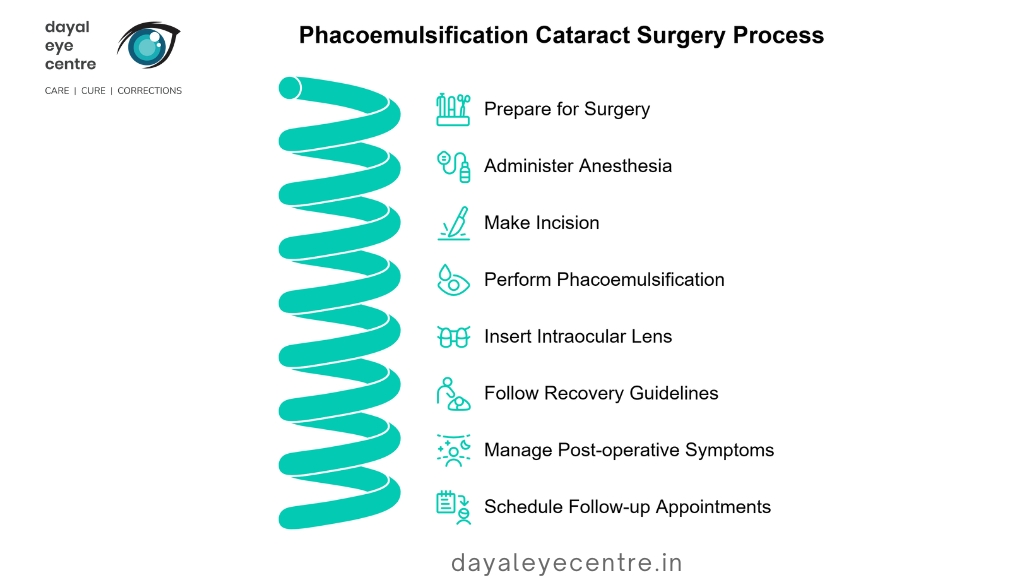
1. Prepare for the Surgery
- Before surgery, patients are required to complete a series of pre-operative instructions. This includes discussing all medical history with the surgeon, including current medications and allergies.
Make sure you have a ride home after the procedure, as anesthesia may affect your ability to move around safely. Avoiding blood thinners and other medications that can increase bleeding risk is also essential.
2. Administer Anesthesia
Patients are usually given local anesthesia to ensure comfort while remaining awake and aware. This helps reduce pain and anxiety, keeping them relaxed throughout the procedure..
Safety is a priority, with constant monitoring of the patient’s vital signs and overall status.
3. Make the Incision
The surgeon makes a very small incision in the cornea, which typically does not require sutures. This minimizes astigmatism and allows for faster healing.
Accuracy in this step is crucial to reduce surgical trauma and associated complications.
4. Perform Phacoemulsification
Ultrasonic waves break the cataractous lens into tiny pieces, which are then suctioned out of the eye. A continuous curvilinear capsulotomy is completed to allow full lens removal while maintaining a stable anterior chamber.
5. Insert the Intraocular Lens(IOL)
The IOL replaces the natural lens, with different types available to address common vision issues. Proper placement of the IOL is critical for achieving the patient’s desired clear vision.
The surgeon performs final checks to ensure everything is correctly positioned.
Explore the Benefits and Risks
Phacoemulsification cataract surgery has become the most popular cataract procedure, largely due to its high success rate, effectiveness, and efficiency in restoring vision. The procedure takes about 15 minutes, making it a quick and convenient option for cataract patients. In the UK, doctors successfully perform more than 325,000 of these procedures every year.
Over 90% of patients experience a significant restoration of vision, dramatically improving their quality of life and restoring their independence.
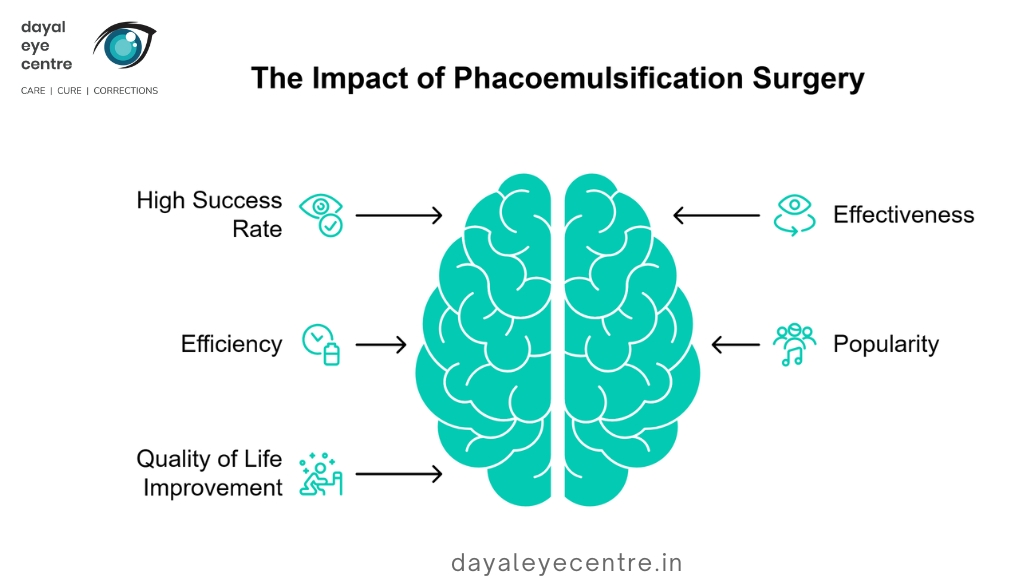
1. Identify the Benefits
The benefits of phacoemulsification compared to other traditional techniques are significant. It reduces the use of sutures, resulting in shorter healing times. Almost all patients experience improved vision right away after surgery, with night vision improving as well.
Completing the procedure on an outpatient basis adds a level of convenience, with patients returning home within a few hours.
2. Recognize the Risks
The surgery carries a low risk of complications, at most 1%. It is important to be aware of potential complications, including posterior capsule rupture and endothelial injury. Some patients may develop dry eye syndrome after the operation, but it is usually treatable.
It’s critical to understand each patient’s unique risk factors and to monitor them closely during and after the procedure.
Learn About Recovery and Post-operative Care
The recovery period following phacoemulsification cataract surgery, known as post-operative care, is vital in determining overall vision outcomes. Familiarizing yourself with the recovery guidelines will give you confidence in managing this process.
1. Follow Recovery Guidelines
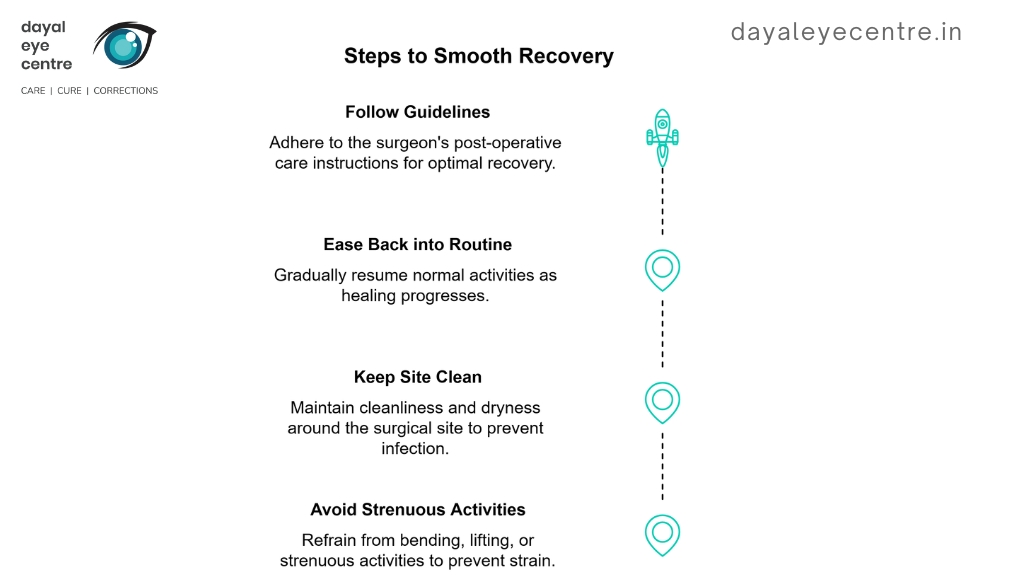
After surgery, certain activities should be temporarily avoided to allow proper healing. Bending at the waist, heavy lifting, or strenuous activity should be limited.
Keeping the surgical site clean and dry is key. You may dab it gently with water, but be careful not to rub the eye. Taking things step by step and easing back into your routine is essential and should be guided by how your eye is healing.
Following your surgeon’s post-operative care instructions is crucial to ensure a smooth and successful recovery.
2. Manage Post-operative Symptoms
Mild discomfort, redness, and blurry vision are common after surgery. Treatment for these symptoms typically involves the use of prescribed eye drops, cold packs, and non-steroidal anti-inflammatory medications.
Watch for warning signs of complications. Be alert for escalating pain, severe redness, or changes in vision, and contact your provider immediately if any of these occur.
Good pain management goes a long way toward making recovery a more comfortable experience.
3. Schedule Follow-up Appointments
Attending all scheduled follow-up appointments helps ensure that you are progressing well in your recovery. During these visits, your healthcare provider will check your healing and vision to make sure everything is on track.
Follow-ups may include additional interventions as needed, highlighting the critical importance of this step in achieving the best possible outcome.
Conclusion
Phacoemulsification cataract surgery remains a cornerstone treatment, with proven safety and efficacy in restoring healthy vision. Understanding the procedure can make you feel more confident and comfortable. Its advantages—ranging from rapid recovery to enhanced vision—make this a smart choice. Although there are risks, proper support and knowledge can help minimize them.
After surgery, proper post-operative care is crucial to ensure a positive outcome. Staying informed and maintaining communication with your physician is an important aspect of recovery.
If you or a loved one struggles with vision due to cataracts, phacoemulsification cataract surgery may be the right option. This procedure can improve daily life, restore independence, and bring back the joy of clear vision.
Frequently Asked Questions
-
What is phacoemulsification cataract surgery?
Phacoemulsification is the most common contemporary surgical technique for cataract extraction. An advanced technique, it employs ultrasound waves to fragment the cloudy lens, enabling safe removal. This minimally invasive approach usually leads to faster recovery and improved visual results.
-
How long does the phacoemulsification procedure take?
The full procedure usually takes no more than 15-30 minutes. With most patients going home the same day, it makes for a less invasive and more convenient procedure to receive cataract surgery.
-
What are the benefits of phacoemulsification cataract surgery?
Benefits include less pain, faster recovery and improved vision. Patients usually notice a dramatic improvement in clarity and a quicker return to normal life than with conventional techniques.
-
What risks are associated with phacoemulsification?
Although very safe, there are risks such as infection, bleeding, and retinal detachment. Talking through these potential hazards with your surgeon is a great way to make sure they are taking all the right precautions.
-
How should I prepare for the surgery?
Preparation including a pre-operative visit including exam, medications, and a post-operative visit to arrange for ride home. Follow any special instructions from your surgeon to ensure the best possible outcome.
-
What should I expect during recovery?
Common recovery side effects include eye discomfort and blurred vision to start. While patients can expect noticeable improvement within a matter of days, complete recovery may take several weeks.
-
When can I resume normal activities post-surgery?
You’ll usually be back to your regular routine in just a week. Avoid heavy lifting and swimming for a minimum of two weeks. Be sure to adhere to your surgeon’s instructions while you’re recovering to ensure the best results.